Share on social media
Share
Tweet
Publication date: March 12, 2026
Author: Yuliia Bilyk, communication manager of the Legal Development Network
As part of the humanitarian response in the South, the Legal Development Network, in partnership with the Czech humanitarian organization People in Need and funded by the UK government, is implementing the legal component Link. MPR lawyers regularly go to the de-occupied hromads of Mykolaiv and Kherson oblasts, collect legal needs and establish partnerships to satisfy them. After the stages of formation and emergency assistance, this work was scaled up. In 2025, the team moved beyond response, digitalized processes, and with partners aimed to move from individual requests to addressing legal needs at the community level.
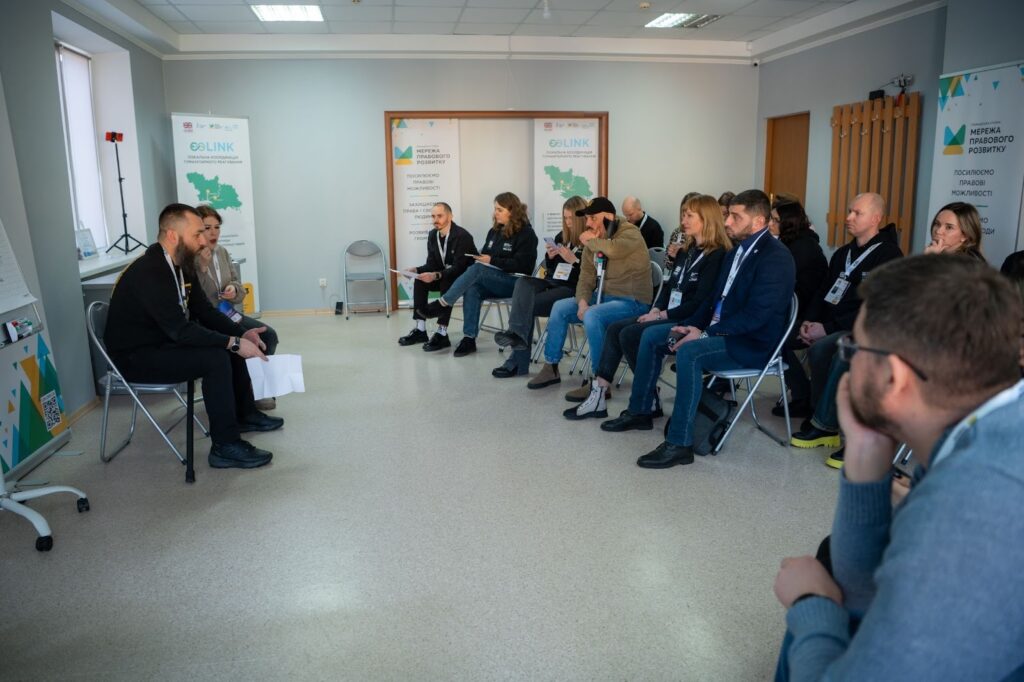
At the end of February 2026, Link lawyers invited partners from humanitarian and human rights organizations, state institutions and local self-government bodies to a discussion about the evolution of legal aid. It was about coordination of efforts, changing the context of interaction, the strength of hromads and challenges requiring solutions in the near term.
Already in the first months of the Link team’s interaction with hromads, it became clear: people need not only to meet basic life needs, but also to protect their rights. From 2023, the development of the human rights component ensures the logical continuation of humanitarian response and comprehensive support for both individuals and entire hromads.
Link’s legal direction is focused on three dimensions: human — institutions — access to justice system. To what extent are residents of deoccupied hromads able to solve their legal needs, which institutions can they turn to for help, how do these institutions interact with people and with each other — answers to these questions are shaped by the daily practice of lawyers.
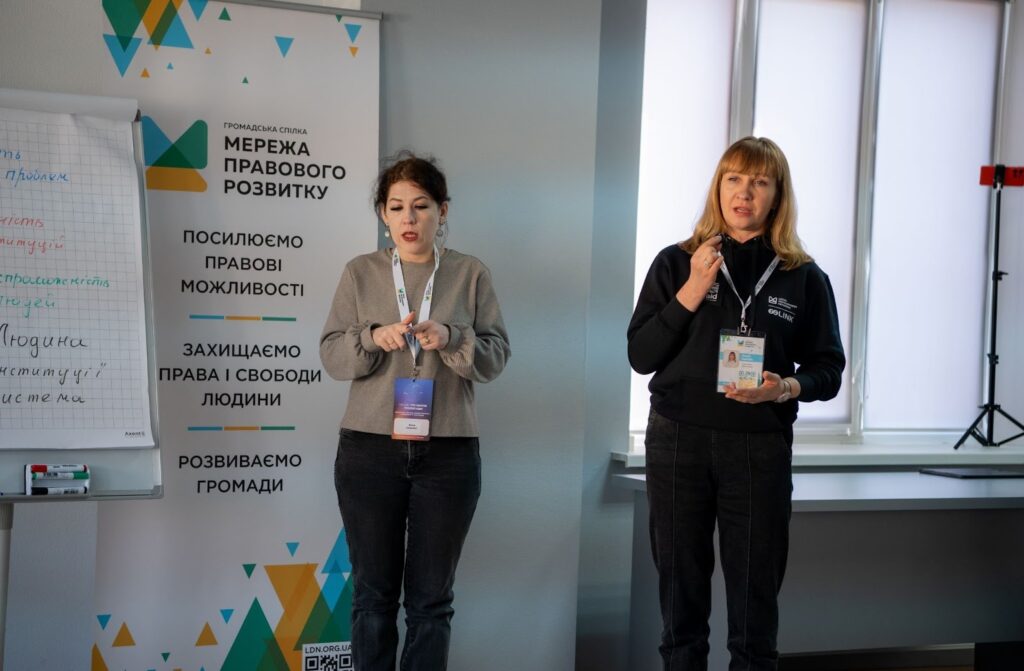
«For the Legal Development Network, the work of Link lawyers in hromads, their direct contact with residents — is an opportunity to learn and analyze the real state of access to justice in the regions of the state. Possessing this information, we form and voice our position on national and international platforms, promote data on legal trends and trends that we can observe in Ukraine», — notes Executive Director of the Legal Development Network Olha Nastina.
According to Olga Nastina, 2026 as the fifth year of a full-scale war brings new challenges for society. The network calls on partners in the field of human rights protection to continue to act together, harmoniously and without deviating from the values of a democratic rule of law.
Compared to 2024, the first full year in the practice of Link’s legal component, in 2025 the legal team grew from two professionals to five, and the number of applications — from 82 to 827. Initially, it was possible to cover the legal needs of only five hromads remote from the regional centers with attention, but now lawyers regularly travel to 26 hromads in the Mykolaiv and Kherson oblasts. The initial goals of disseminating legal information have evolved into providing comprehensive assistance: from initial counseling to full-fledged legal support.
In 2024, the team began to form a professional database, created a CRM system, and introduced query and trend analytics. Lawyers work as part of various working groups within the framework of the Protection Cluster and other powerful associations of human rights public organizations to help war victims. In this way, Link presents partners with data and its own observations «from fields», advocates changes aimed at eliminating barriers to access to justice.
In three years, the legal team traveled to 116 settlements 164 times, most of which are remote and difficult to access due to the danger of shelling and off-road. Synergy with the humanitarian direction of Link helps to deeply interact with hromads.
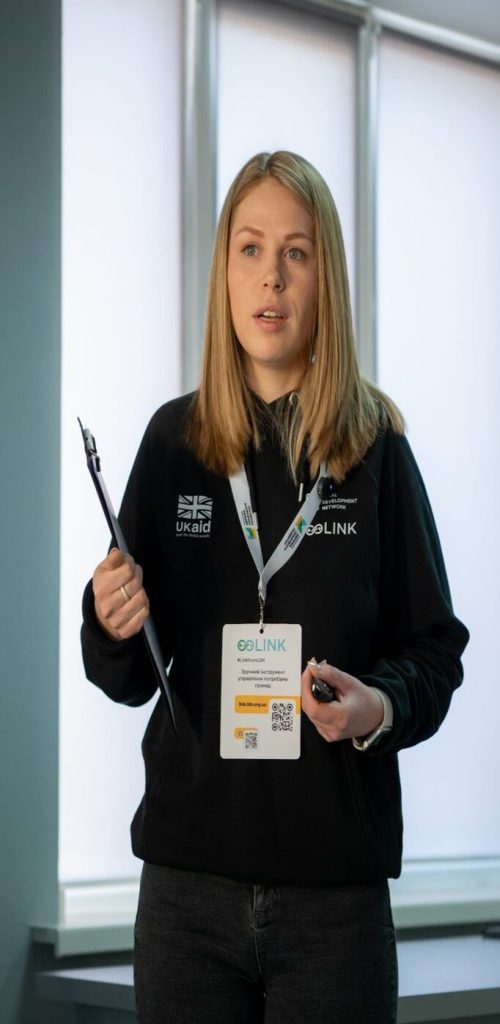
«Humanitarian response specialists/actors record legal needs during their hromada’ visits. Then they are handed over to us for processing and forwarding to partners. This allows you to cover more requests for legal assistance», — notes Senior Humanitarian Response Lawyer Yaroslava Sulimova.
To ensure access to justice in particularly dangerous settlements, as well as where there is no or unstable Internet coverage, the Link hotline operates. By calling 0800 331 113, people can both report a problem to fix it in the Link database and get an answer to their question.
A large number of individual appeals on the same issues allows lawyers to identify topics that are relevant for a wide range of people. In response to this, they go to populated areas with informational and educational measures and explain legislative norms using examples from their practice. In addition, the lawyers of the Link team developed 20 informational materials for hromada residents. These are — universal checklists and clear algorithms that help you navigate the application of new legislation to solve typical life situations.
After active hostilities and deoccupation, many hromads were left alone with the terrible consequences of the war: infrastructure, administrative buildings, educational institutions, broken roads were damaged, and in some places completely destroyed. Ensuring access to water, stable electricity supply, and route connections between villages and cities remain acute problems.
The recent trend — is the focus of hromada’ residents on the general needs of their settlements, not on personal issues. It is important for them to understand whether living conditions will change for the better. After all, their choice depends on this direction: to stay here in the future or to have to go elsewhere — to another settlement, community, oblast.
Hromads are constantly looking for support in solving their systemic problems, even in communication with lawyers. Especially in those cases when infrastructural issues in one way or another require a legal assessment of specialists. How this happens in practice is clearly illustrated by the situation in the village of Krutyy Yar of the Chornobayiv hromada of the Kherson oblast.
Link lawyer Nataliya Yurchenko came to a remote village in the summer of 2025 together with humanitarian response managers. The locality has a population of only 60 and most of them came to meet with the team to talk about their common problem. The communal enterprise, which serves the Chornobayiv hromada, has increased the cost of water supply and drainage for the villagers. Perhaps this would not be so critical if it were not for the simultaneous reporting of the unsuitability of water for consumption.
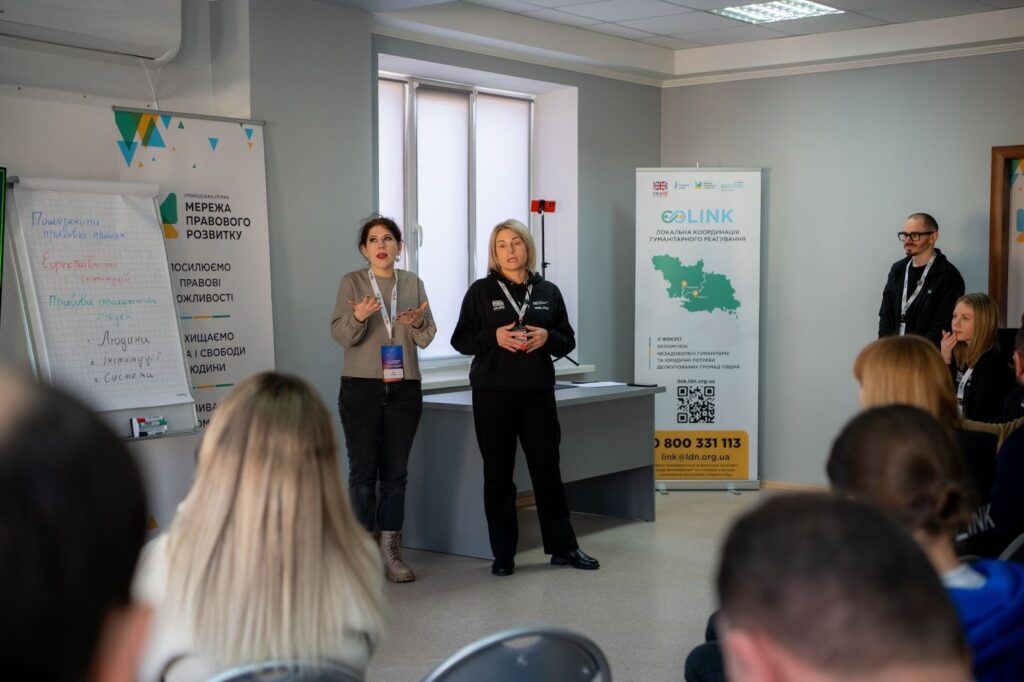
«With the question “what should we do” people came to us. There is no water, but you have to pay. Unofficially, they are told: “You have a small settlement, few inhabitants, so it is economically impractical to install new equipment or new wells”. Our first step was a lawyer’s request to the utility company», — says Link lawyer Nataliia Yurchenko.
Within a week, the repair team of the utility company arrived in Kruty Yar, performed elementary work, and installed new filters at the station. The lawyer’s request was answered with information about the performed repair work and the results of the examination: as if the water is suitable for consumption. However, in reality, the water became clean only at the station, and it continued to flow dirty to human homes. So Link lawyers formed and submitted a request for consideration to the coordination group, which provides access to clean water, sanitation and hygiene in crisis situations of the — WASH cluster.
«Residents of Kruty Yar are provided with bottled drinking water. Of course, this does not cover their real needs. The problem has been voiced, they know about it, and we continue to look for partners who could replace the old equipment at the existing station or install a new well so that people can finally get quality water», — notes Nataliia Yurchenko.
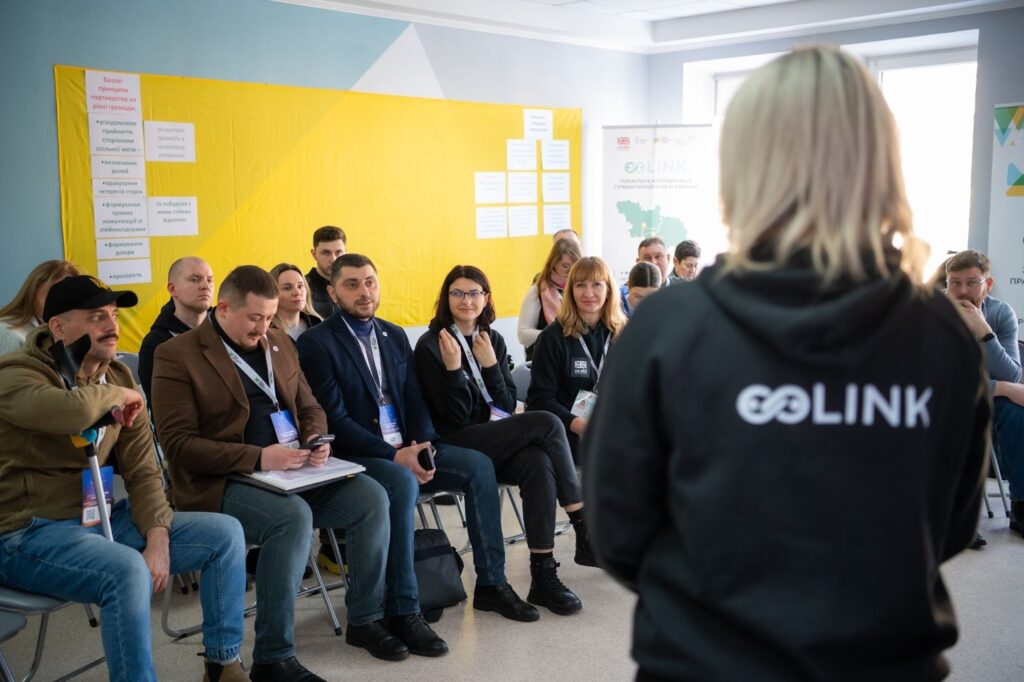
Of the identified 827 needs, 669 have already been satisfied. This is — the result of a joint effort between Link lawyers and partner human rights organizations. There are currently 20 permanent partners in the legal component, and the team is committed to expanding this network. After all, solving such problems as, for example, in the village of Krutyy Yar requires a versatile approach and joint coordinated actions. During the discussion on February 19, the participants agreed that in the near future the establishment of coordination should become a point of growth in the field of human rights protection in the South.
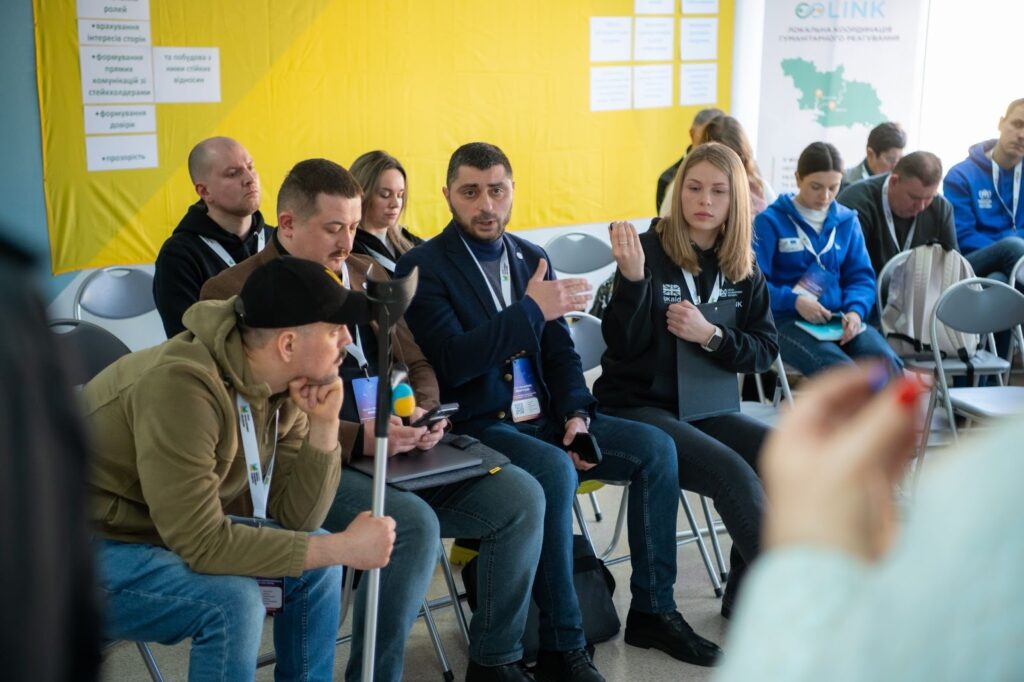
«The key problem is that organizations don’t always know what others are doing specifically. Although each organization has different beneficiaries, programs and work models, if a person is at the center — is the most important factor, — then it is necessary to work together», — emphasizes the representative of the Commissioner of the Verkhovna Rada of Ukraine for human rights in the Mykolaiv oblast Spartak Hukasyan.
The official offered cooperation to the Link team and other partners in solving systemic problems of hromads and supported the idea of regular coordination meetings.
Head of the legal protection department of the Danish Refugee Council (DRC) Inna Fedorova emphasized the importance of participation in such meetings of representatives of territorial hromads so that they get to know human rights organizations and at the same time directly voice their problems.

«It is important that representatives of public organizations or proactive people from hromads can voice problems not for the conflict, but for the search for common solutions», — notes Inna Fedorova.
Just like Link lawyers, representatives of international organizations are aware that legal support for deoccupied hromads has now moved from the stage of direct assistance to an individual to the stage of recovery and reconstruction.

«Taking into account the change in requests from hromads, it was decided to involve local organizations at the national and international level in cooperation. Cooperation consists both in partnership with initiatives such as Link and in direct assistance to official partners», — explains Specialist in Social and Legal Protection of the International Rescue Committee (IRC) Kostyantyn Dvortsov.
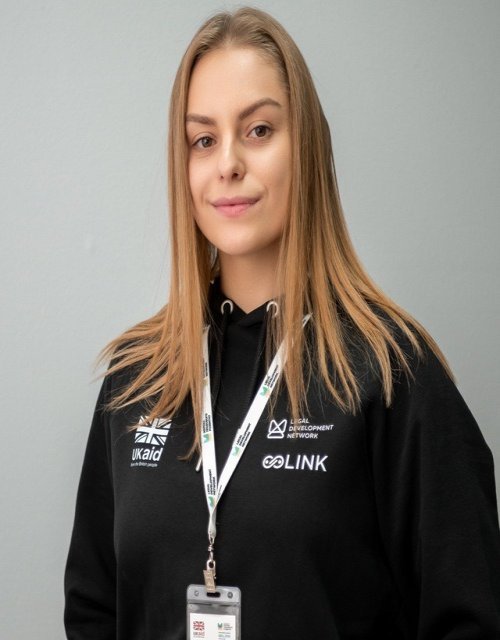
«At this stage of development of the legal direction of Link, individual appeals from hromada residents remain important. They are becoming a source of data for us to identify recurring problems, gaps in policies or administrative procedures. This allows you to work not only “with the consequences”, but also with the causes of legal problems», — emphasizes Director of Legal Services Development of the Legal Development Network Daria Kovalchuk.
In the future, she said, the key task of the team is to scale the approach.
«We see that the model that combines legal aid, analytics and coordination with humanitarian organizations works. The next step — to extend it to more hromadss and establish it as a sustainable practice of interaction at the level of areas», — emphasizes Daria Kovalchuk.
The legal component of the Link mechanism is already an integral part of comprehensive hromada support. Interaction with strong local teams, coordinated coordination with partners and a clear strategic vision for the development of access to justice — is what will allow lawyers to contribute to the recovery of the Ukrainian South after the trials of war.
For free legal assistance, contact us in any convenient way:
The conclusions presented in the material, interpretations of the collected information, etc. are exclusively the position of the authors and do not reflect the opinions of donors and project partners.
P. S. In June 2024, the Legal Development Network (LDN) launched a crowdfunding campaign, Recovery of The South of Ukraine , as part of the crisis response program #StandWithUkraine.
You can Recovery of The South of Ukraine |
If you have notices an error on the web-site, please, highlight the text and press ctrl-enter.
Print and place the Network's poster on a notice board in your entrance hall
Become a volunteer and assist others in finding problem solutions
Ask question and one of the LDN's lawyers
will answer it.
Chat's schedule: from 10 to 16
every day
Ask questions via LawLink Bot in any convenient way. LawLink Bot is a smart and digital legal assistant created by the Legal Development Network.

The Legal Development Network implements comprehensive projects aimed at strengthening human rights, developing capable communities, and building sustainable tools for access to legal aid. We work at the intersection of advocacy, legal education, and local coordination of humanitarian response.

We make legal aid accessible. We empower communities and help them develop. Support us in this work.