Share on social media
Share
Tweet
Publication date: March 2, 2026
Author: Yuliia Bilyk, Communications Manager, Legal Development Network
After three years of working in de-occupied communities in southern Ukraine, the Link humanitarian needs coordination mechanism has gained tremendous experience that goes beyond collecting, verifying, and redirecting requests. How to get to a settlement that others cannot reach due to security policies. How to join forces when one organization’s resources are not enough to fulfill a request. How to act when it was important to meet the need yesterday — the experts of local teams know this well. Together with partners from communities, international and national organizations, they are ready to scale up their efforts, covering new territories and engaging new players in the field of humanitarian response.
In February 2026, the Legal Development Network, in cooperation with the Czech humanitarian organization People in Need and with funding from the UK government, brought together participants in humanitarian response in the south for an open dialogue in Mykolaiv. The discussion focused on the transformation of Link, the work of the humanitarian cluster system, and pressing issues that communities need support to resolve.
Link: live coordination
For the Legal Development Network, a public association that brings together human rights organizations from different oblasts of Ukraine, the implementation of Link in 2023 became a new area of activity.
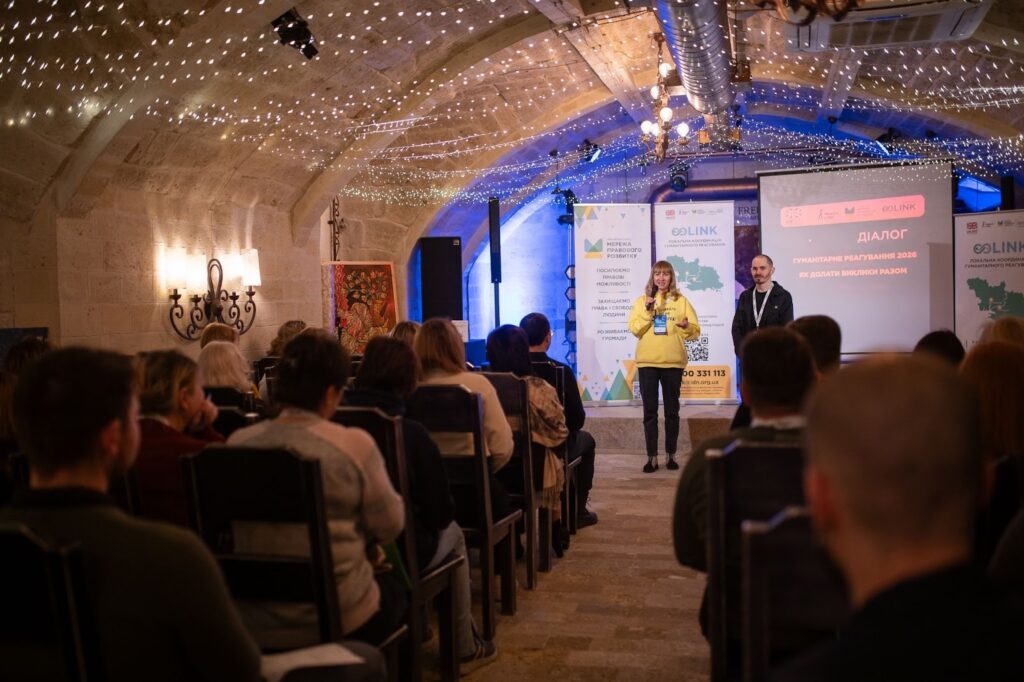
“After the full-scale invasion, at the request of the times and in response to the growing needs of communities, we entered a new territory for ourselves — the field of humanitarian response. Since then, Link has become not only an important initiative for us, making communities more resilient to the trials of war, but also an opportunity to develop a tool that has no analogues. Today, we can say with confidence that this tool has proven itself to be effective. This is the result of the complex and challenging work of all parties involved, from community residents to partners,” emphasizes Executive Director of the Legal Development Network Olha Nastina.
As a link between those in need and those who can provide the necessary assistance, the Link mechanism now covers 352 villages and settlements, or 89% of all settlements in 25 de-occupied communities in the Mykolaiv and Kherson regions.
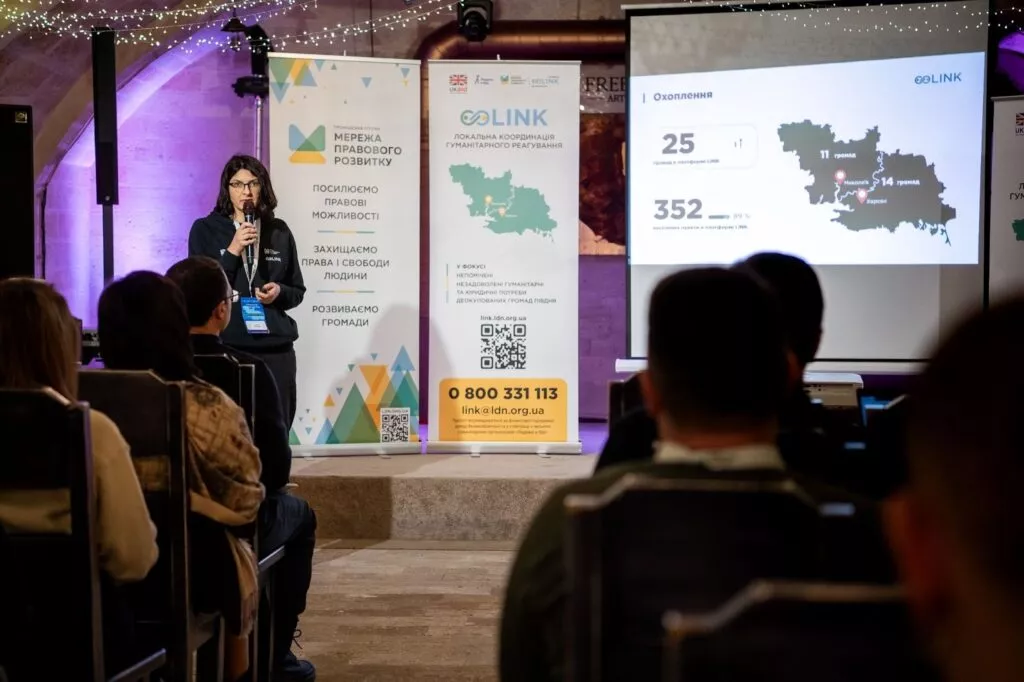
“Our absence in 11% of the territory is mainly due to the intensity of shelling. But we strive to work in all settlements of de-occupied communities, because there are people living there who need help,” emphasizes Halyna Kolesnyk, Director of Strategic Communications at the Legal Development Network.
The path from request to result
Since November 2023, when the first need recorded on the Link platform was met, a total of nearly 3,172 requests have been closed. Each need went through the process from reporting the existing need to marking the issue as resolved. Every two weeks, Link’s humanitarian needs collection specialists contact informants in communities who report needs. Informants are active community members: heads, elders, land surveyors, librarians, medical workers, etc., who have acquired the relevant knowledge and skills to interact effectively with the Link team.
As of February 22, 2026, there are 993 informants working in all communities. Managers verify requests received from informants from at least two sources. This ensures that the request is relevant and corresponds to the actual state of affairs, so that the community receives the necessary assistance in the amount that is needed.
Once confirmed, the need appears on the platform in the “Community Office” and becomes available for booking by partner organizations that are able to meet it. Some organizations have their own “Organization Offices” and independently book needs for processing. Others interact with Link managers and book needs through them. Communities and partners registered on the platform can track the progress of a specific need: verified, in progress, no longer relevant, or already fulfilled.
“Currently, 65 users have organization accounts on the platform. There may be several users from one organization. For example, we know that several users from different branches of the NGO “Desyate Kvitnya” are registered on the Link platform, and all users from this organization can see in their accounts the history of needs met in different communities or those that are currently being worked on,” explains Halyna Kolesnyk.
Over 50% of all satisfied needs are related to healthcare — from essential medicines to specialized equipment. Over 25% of satisfied needs were related to providing communities with hygiene kits and water containers. In almost 19% of cases, the needs were related to housing restoration and heating.
Updating the interaction system
Like any mechanism, Link requires constant maintenance and improvement. The Legal Development Network continues to implement new features and capabilities for the tool so that it remains a comprehensive information base and best meets the practical needs of users.
Recent innovations promote awareness among informants in communities about changes in the status of humanitarian needs. The first option is automated mailing. By enabling this option in the Community Account, informants can receive notifications via email, for example, that a need has been verified or reserved for fulfillment. The second option will appear on the platform in the near future. Every month, informants will receive letters about the status of processing needs in the community they represent. In particular, it will be possible to find out the number of current needs, what exactly these needs are, and the status of their fulfillment.
In a few months, a training page will appear on the Link platform. It will contain training materials and programs that Link offers to participants in the humanitarian response process to strengthen their ability to respond to community requests. Information about the demographic situation in the settlements covered by Link will also appear in the community and partner accounts.
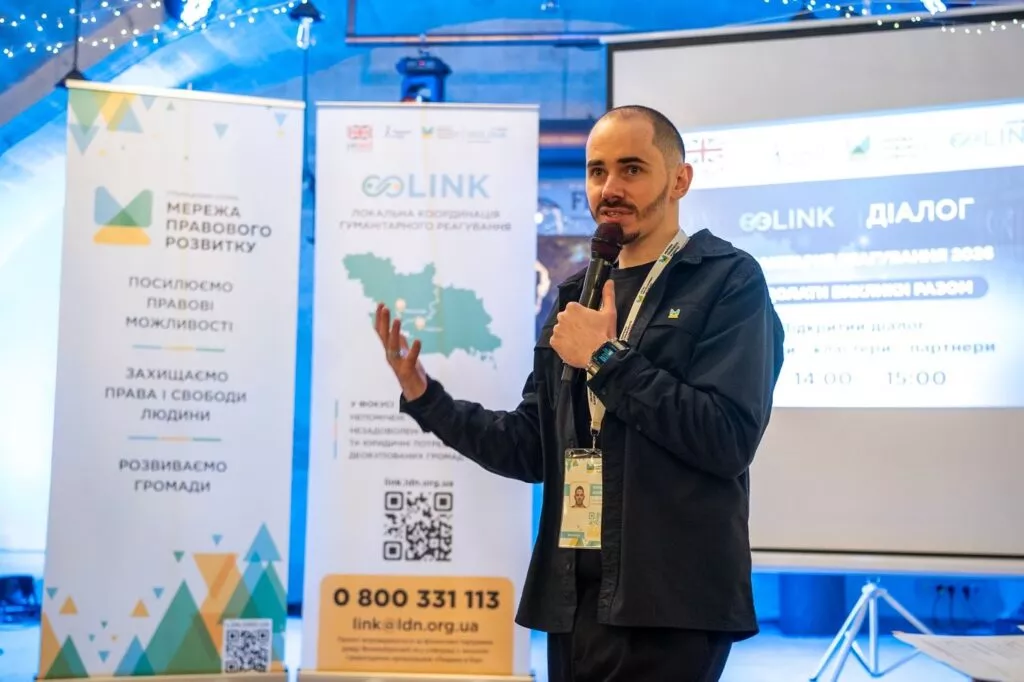
“In the early years of the full-scale war, all residents of de-occupied communities, without exception, received humanitarian aid. However, the situation has now changed: financial support from international partners is significantly decreasing, and resources are limited. Given this, it is important to have a clear understanding of the real, rather than the official, demographic situation in communities: the number of children, people with disabilities, the elderly, and internally displaced persons. Thanks to accurate data, aid will reach those who need it most,” explains Program manager at the Legal Development Network Viktor Alhimov.
Community results and challenges
Local coordination today is what, on the one hand, makes the needs of even the most remote and inaccessible settlements visible and, on the other hand, allows organizations to address these needs in a targeted manner while rationally allocating resources. Representatives of communities and partner organizations note the rapid response and quality of communication provided by the Link team at all levels.
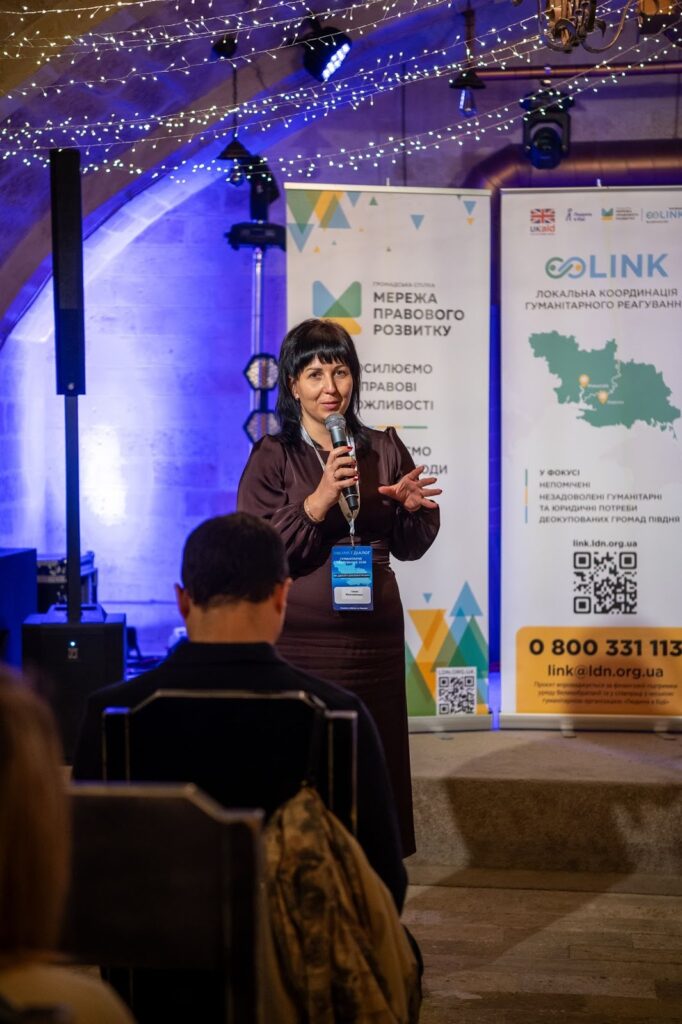
“I call Link the heart of humanitarian response, because this team, like no other, understands the challenges we face and experiences every situation with us from start to successful completion,” says Link informant, Head of the Karavelivskyi district of the Mishkovo-Pogorilivska village council in the Mykolaiv oblast Hanna Maksymishyna.
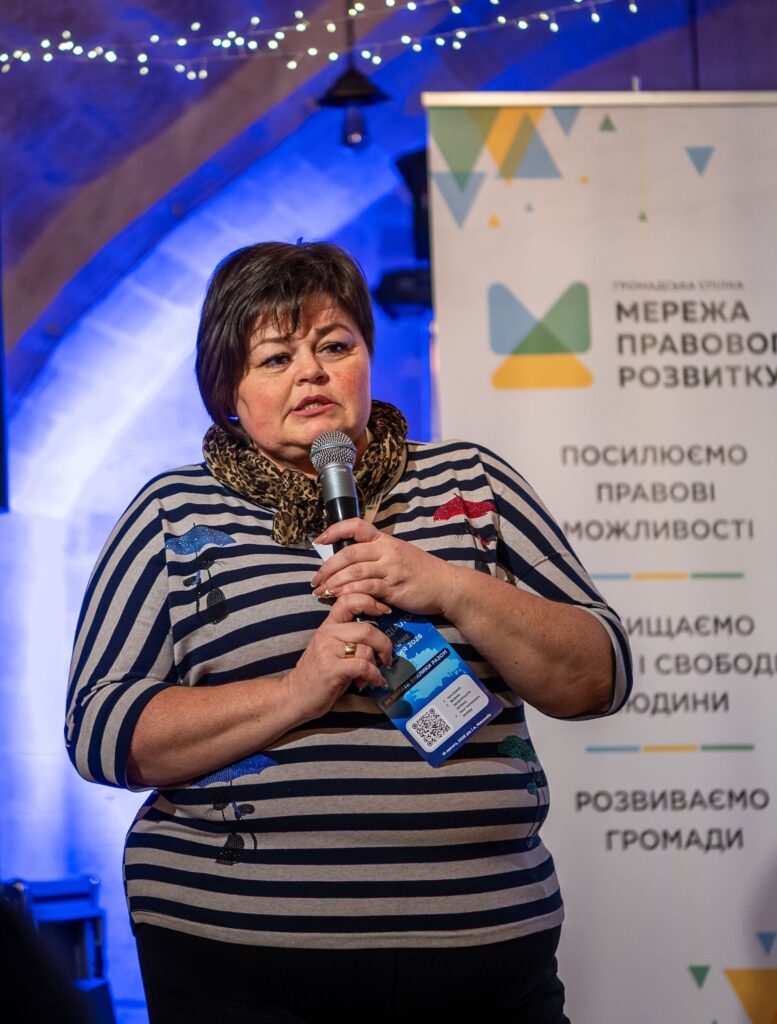
“We are grateful to the Link team for always being available, for not being afraid to visit us despite the difficult security situation, and even for conducting training events. Our community enthusiastically welcomed a training session on first aid. I gathered together employees of the municipal services, the fire department, and the village council. We all practiced various procedures, such as applying a tourniquet. When we are given the opportunity to learn vital skills, it is very valuable,” emphasizes Head of the Milivska rural military administration in the Kherson oblast Lyubov Minko.
The constant threat of war remains the number one challenge for all frontline communities without exception.
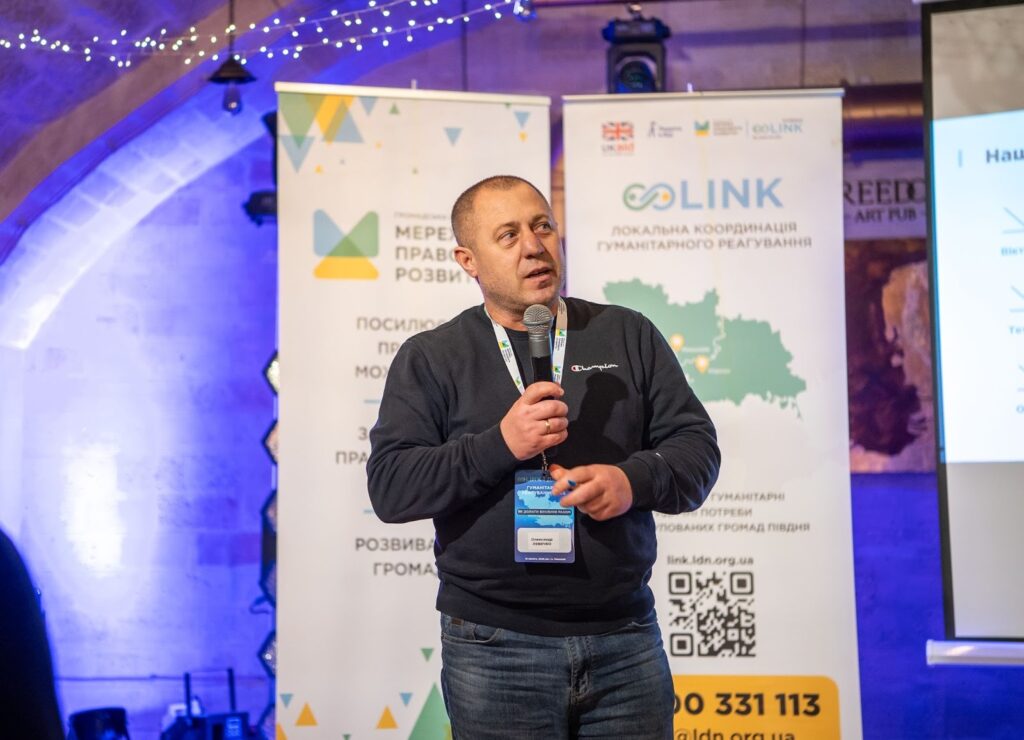
“Thanks to humanitarian organizations, we receive food packages, but we cannot always deliver them to the settlements where people need them — it’s too risky,” explains Head of the Novooleksandrivka rural military administration in the Kherson oblast Oleksandr Levechko.
Shelling of populated areas exacerbates infrastructure and social problems. In many villages, water pipes, electrical networks, administrative and residential buildings have been damaged. It is difficult to restore them due to a lack of resources and the risk of repeated attacks. In addition, there are now so-called hidden problems, such as the danger posed by packs of stray dogs and anti-personnel explosive devices that Russian troops scatter on roads and streets.
Despite all the difficulties, frontline communities are developing and strategically planning their future.
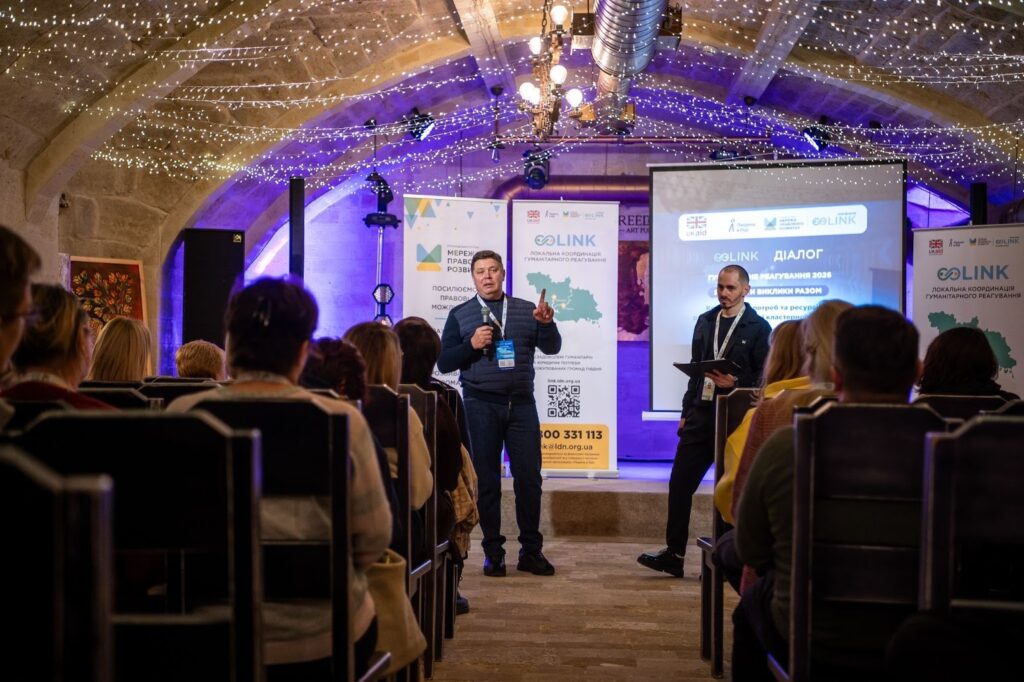
“The situation here is tense, but we will overcome everything because we are united and respond promptly to emerging needs. Moreover, we are looking ahead. We have started to develop green energy, importing solar panels, and we want to cover all the wells and the school with them. We are the only community in the active combat zone where a school is operating. Thanks to our partners and all the caring people, we have built a modern underground school with an area of 720 square meters from scratch, where 120 children are now studying,” says Head of the Bilozerska settlement military administration in the Kherson oblast Ihor Ostrivniy.
Coordination system
The Link mechanism team interacts with humanitarian response clusters. They coordinate partners, build their capacity, and support local authorities. Open dialogue has become a platform for communicating to communities information about the areas covered by the clusters, their working algorithms, and ways to get involved in solving problems.
Participants in the discussion note communication gaps in the interaction between communities and clusters. For example, not all communities have complete information about the distribution of aid, sufficient resources, and skills to interact effectively with humanitarian organizations and clusters. Due to insufficient coordination at the local level, aid may be duplicated or, conversely, needs may remain unmet.
In 2026, given financial constraints, it will be important to prioritize requests and distribute humanitarian aid more effectively. Expanding Link’s functionality will help with this. The platform’s development plans for 2026 include mapping services in communities, which will become a source of data on the services that are provided and those that are lacking in communities. Expanding the functionality of the analytics module, which will allow all data from communities to be aggregated. Aligning the classification of needs with the cluster system, which will facilitate interaction with partners.
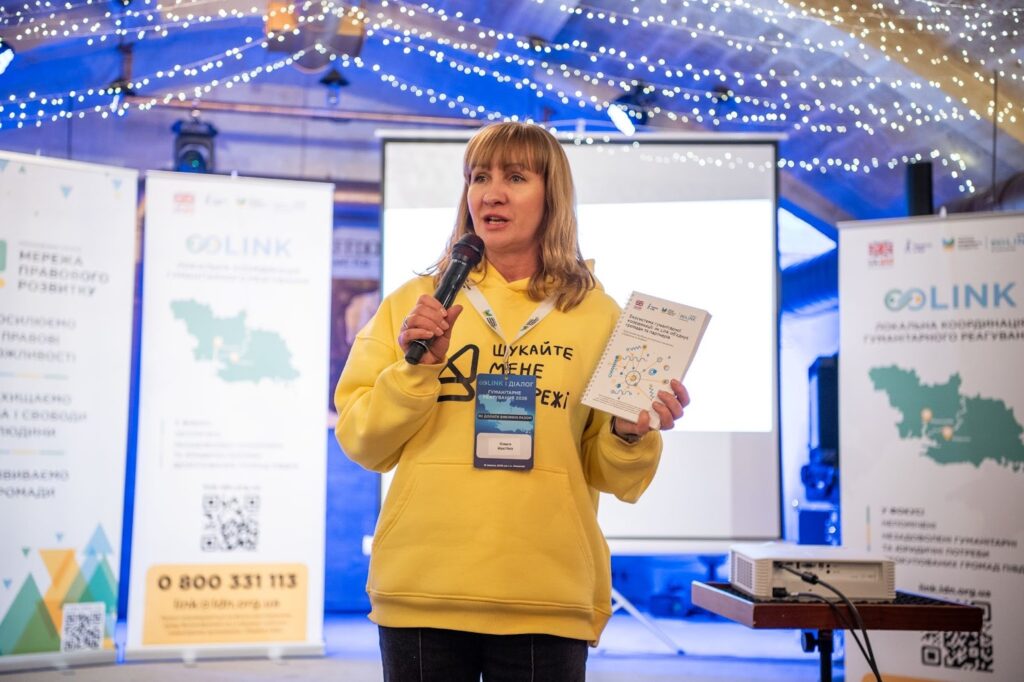
Link has ambitious plans for scaling up and attracting new partners. The team has summarized its three years of experience in verifying humanitarian and legal needs in a practical guide entitled “The Humanitarian Coordination Ecosystem: How Link Brings Communities and Partners Together”. This publication will be useful to anyone who provides humanitarian aid, plans to do so, or is looking for like-minded people to respond jointly to the challenges of wartime.
The conclusions, interpretations of the information collected, etc. presented in the material are solely the position of the authors and do not reflect the opinions of the project’s donors and partners.
The Link local humanitarian response coordination mechanism is implemented by the Legal Development Network in cooperation with the Czech humanitarian organization People in Need and with the financial support of the UK Government.
|
Отримайте поглиблену консультацію через чатбот LawLink
|
P. S. In June 2024, the Legal Development Network (LDN) launched a crowdfunding campaign, Recovery of The South of Ukraine , as part of the crisis response program #StandWithUkraine.
You can Recovery of The South of Ukraine |
If you have notices an error on the web-site, please, highlight the text and press ctrl-enter.
Print and place the Network's poster on a notice board in your entrance hall
Become a volunteer and assist others in finding problem solutions
Ask question and one of the LDN's lawyers
will answer it.
Chat's schedule: from 10 to 16
every day
Ask questions via LawLink Bot in any convenient way. LawLink Bot is a smart and digital legal assistant created by the Legal Development Network.

The Legal Development Network implements comprehensive projects aimed at strengthening human rights, developing capable communities, and building sustainable tools for access to legal aid. We work at the intersection of advocacy, legal education, and local coordination of humanitarian response.