Share on social media
Share
Tweet
Publication date: June 5, 2024
One of the areas of work of the regional partnership of grassroots human rights organizations in Eastern Europe and Central Asia, coordinated by the Legal Development Network since 2021, is the exchange of experience on key topics — the development of a community of paralegals, access to justice, and environmental justice. Regarding the latter area, representatives of human rights organizations from several countries were invited to share their insights. Their work and experiences will be presented further in a series of materials dedicated to practices that are important to learn from.
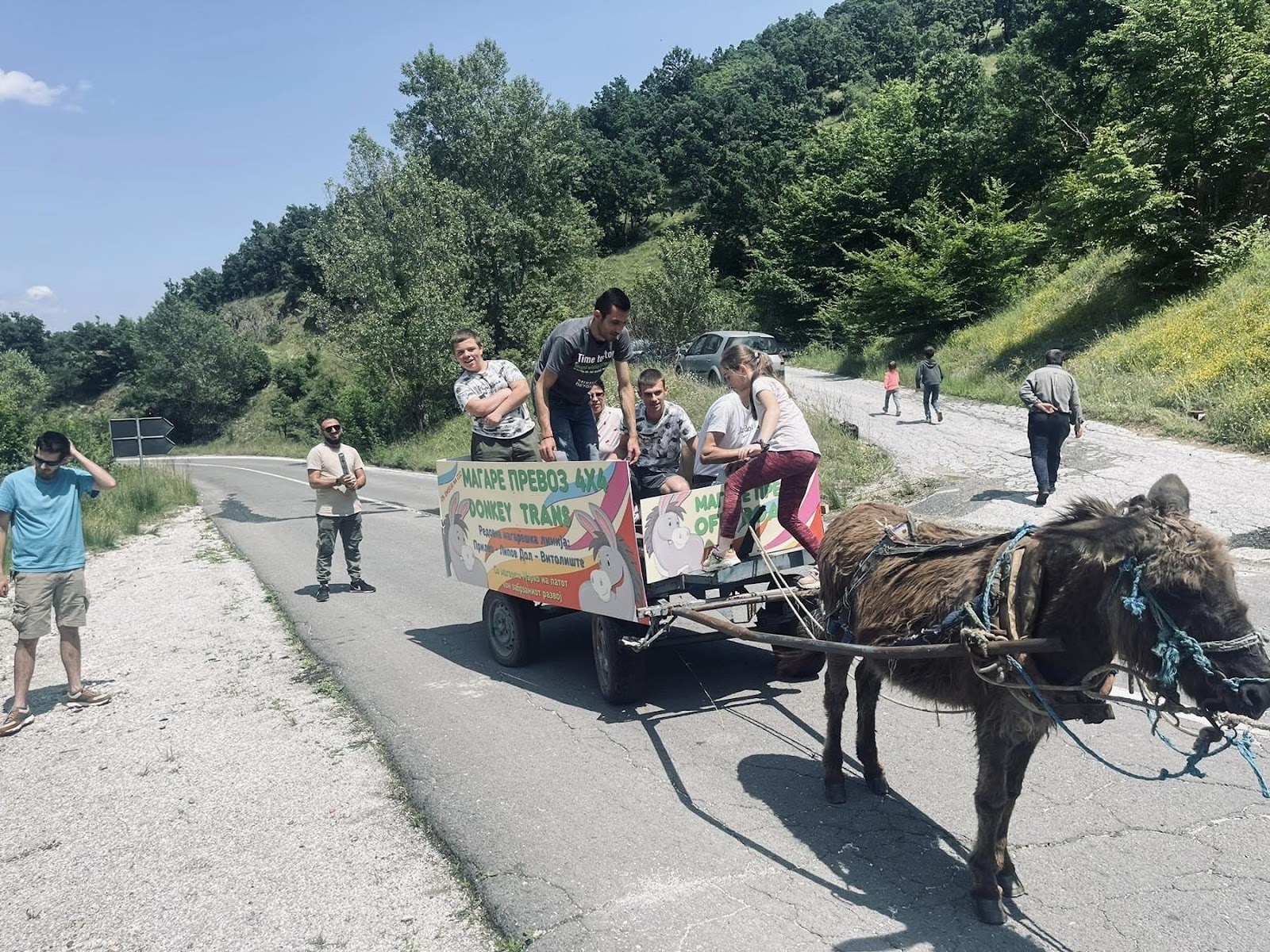
The Association for Legal Education and Transparency (Association for legal education and transparency. LET STATION) (North Macedonia) has been working for more than five years in the field of access to justice for marginalized communities. The organization’s focus has primarily been on healthcare and social rights. While working with Roma communities and residents of remote rural areas, they came to understand that the realization of these rights depends on environmental justice and a healthy environment.
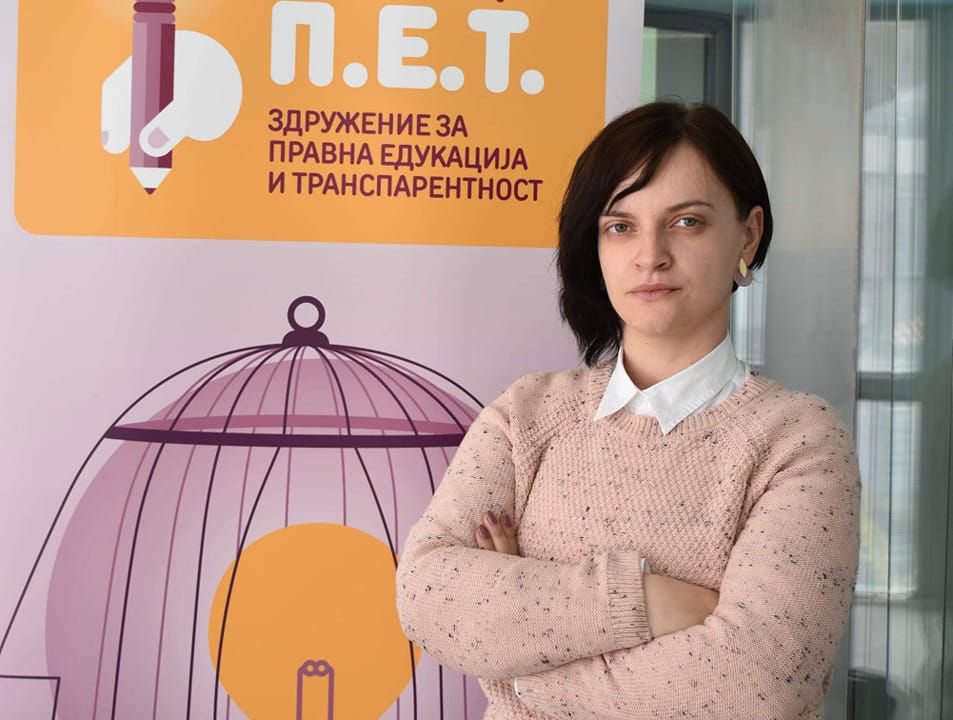
“Marginalized communities are highly vulnerable to environmental threats and pollution. They have the fewest resources to address these problems — poverty, limited healthcare, and low levels of education among the population. People know very little about environmental issues and often do not understand how pollution threatens their well-being, health, and future in general. That is why, since 2021, we have started focusing on environmental justice. In the beginning, this work was carried out mainly through our field workers, called ‘community health promoters,’” says Vesna Shapkoski, Executive Director of the Association for Legal Education and Transparency, North Macedonia.
Illegal landfills – in search of systemic solutions
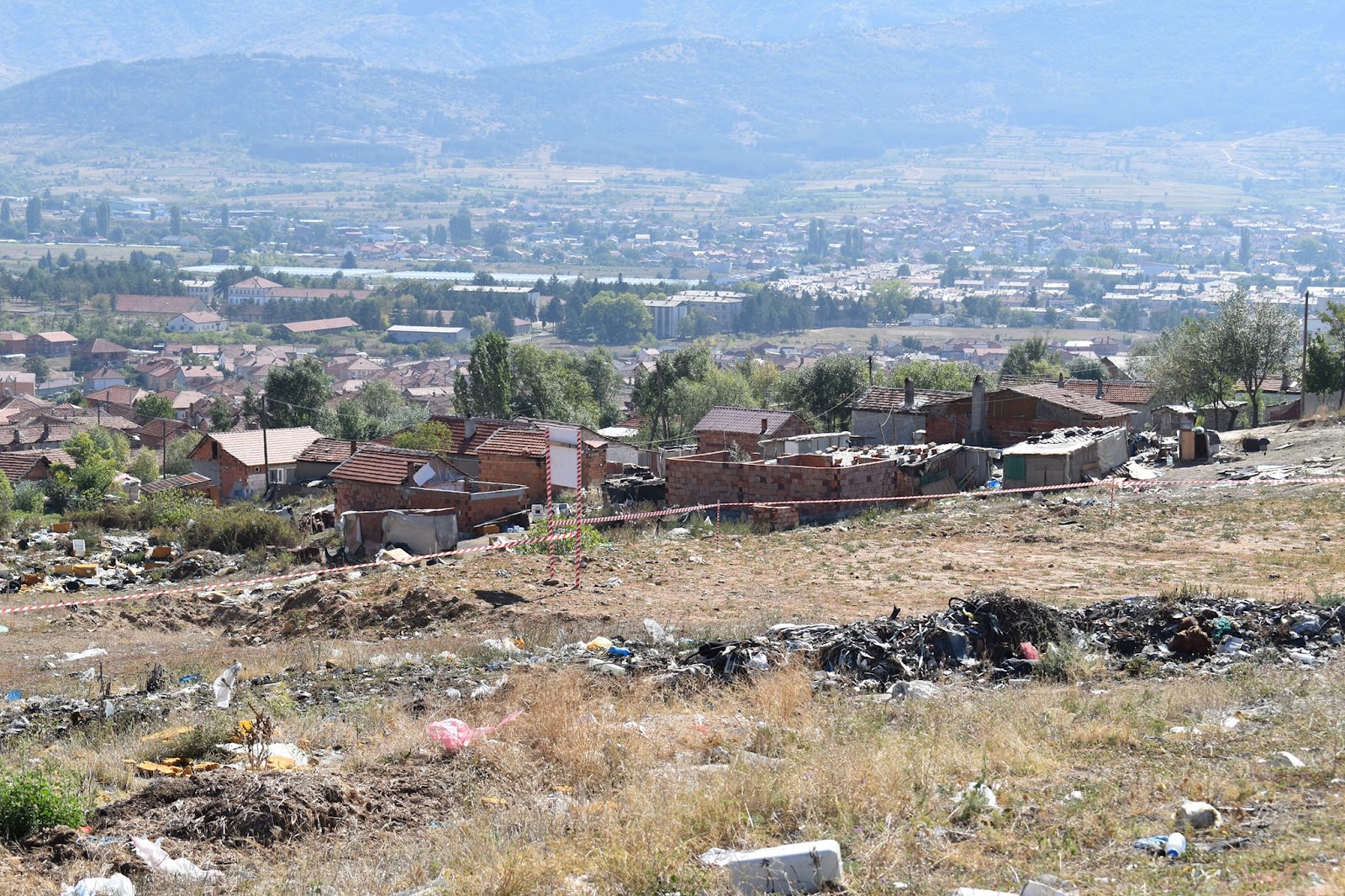
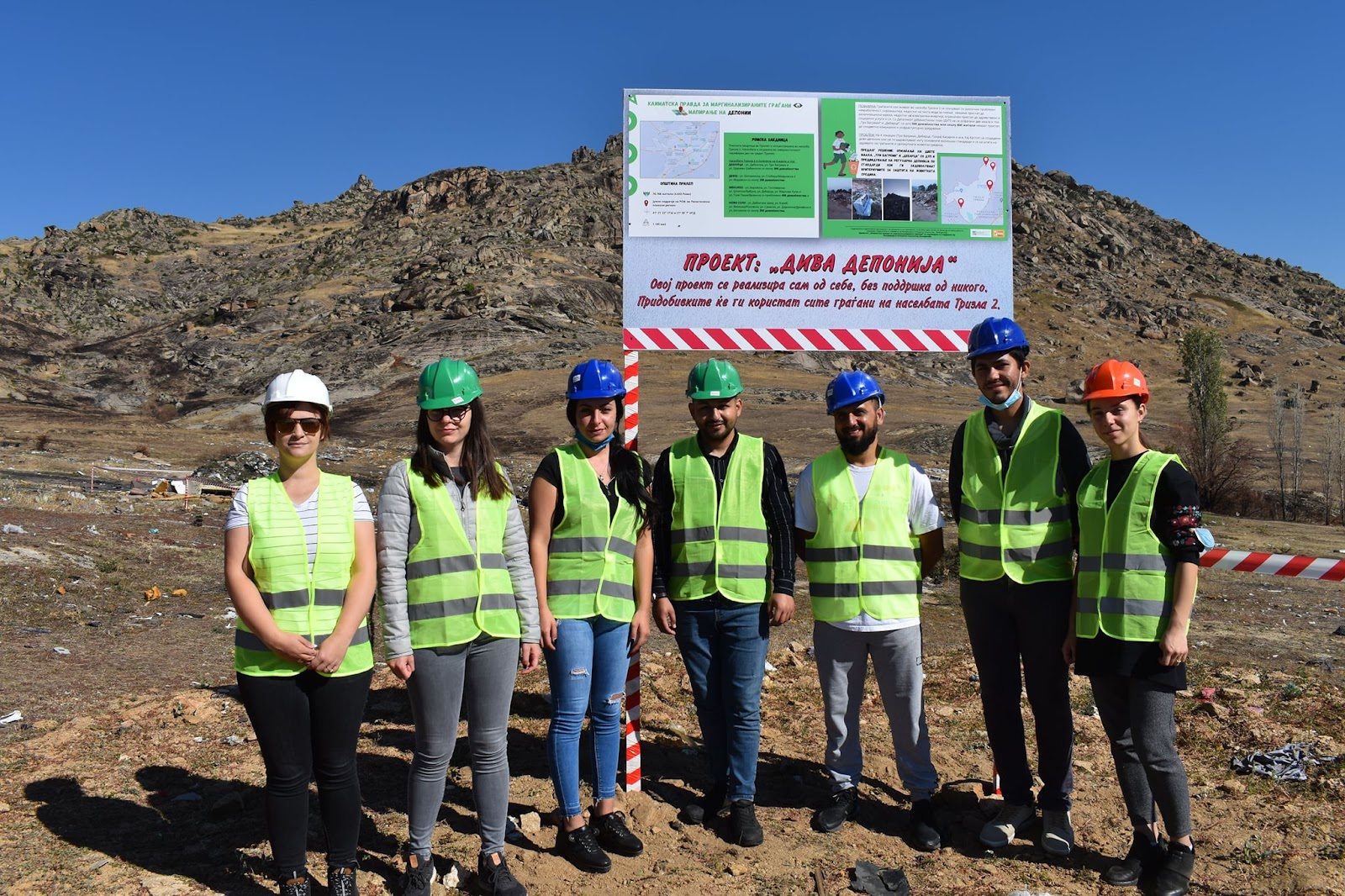
Vesna explains that the municipalities in the southwestern part of North Macedonia, where the organization works, face a common challenge — the accumulation of illegal landfills. Many of these communities lie outside urban planning zones. As a result, they do not have official, regulated landfills, and state-owned waste management companies are not actively operating in these areas. For example, a Roma community settlement in Prilep is unregistered. People there grow vegetables and fruits, raise livestock, while waste is being dumped nearby.
The first thing the activists did when they began addressing this issue was to create a map of illegal landfills. It became an advocacy tool. At that time, mayoral and municipal council elections were taking place. Representatives of the organization met with the candidates, presented the document, and proposed solutions to the problem.
“Some of these landfills were cleaned up the following year. However, we understood that this would not solve the problem on a broader scale and that a systemic solution for the future was needed.”
“Rural municipalities have not created or properly organized landfills. Waste is not collected appropriately, which means this problem is likely to reoccur in the future. There is low awareness among marginalized people about the importance of this issue, so we need to continue, strengthen, and develop this awareness. People tend not to perceive this problem as very urgent. Their motivation for self-organization and community mobilization around this issue remains low,” says Vesna Shapkoski.
In 2023, the organization faced several other issues related to environmental justice, including illegal air pollution in major cities.
Business interests over rights compliance
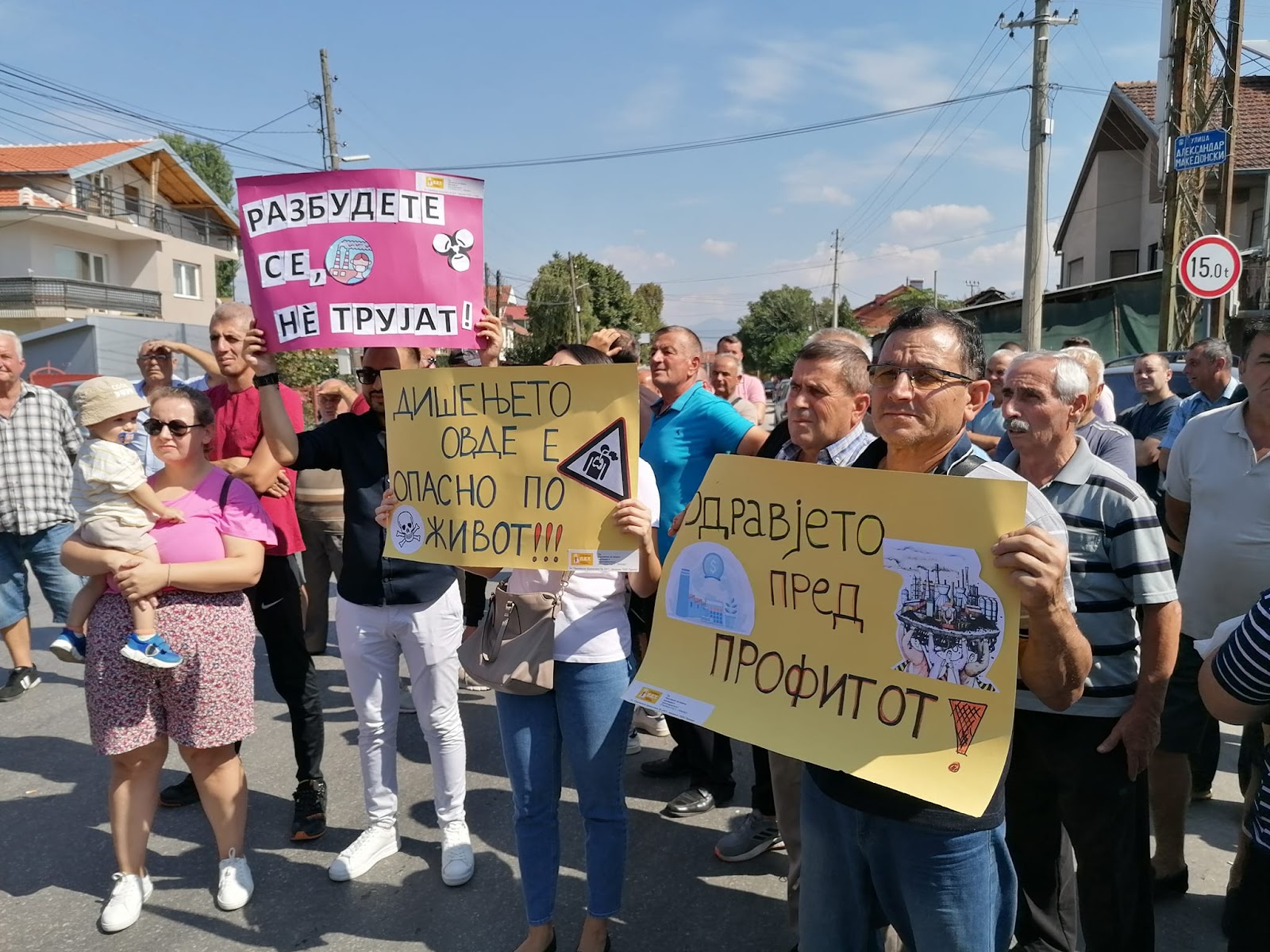
In September 2023, residents of Prilep experienced a strong stench similar to emissions from burning plastics. The air pollution was caused by a local private company. Citizens spent several weeks contacting the municipality and regulatory authorities, but to no avail, so they decided to take action with the support of LET STATION. The association helped them submit a complaint to the State Environmental Inspectorate and to the Ombudsman.
Residents living near the industrial facility began to self-organize into a community protest against the pollution. The Association supported this protest, making statements to the media not only about preventing air pollution but also emphasizing the importance of identifying the source of the pollution and holding responsible individuals at the company accountable, so that sanctions could be applied. Otherwise, the problem would continue.
Community activists and paralegals faced pressure on an individual level from representatives of the company.
“Some representatives of this industrial facility were convinced that we were organizing the protest and somehow forcing people to take to the streets, possibly putting their jobs at risk. At one point during the protest, a company representative even approached me. In a very rude manner, he started shouting at me, accusing us of forcing people to sign the petition. During the protest, people were simply collecting a list to understand the statistics — how many were against this pollution,” says Vesna.
Pressure was also applied to activists who were spreading information about the protests against pollution using posters put up on the streets. People would follow them and tear the posters down. These were not threats of physical harm, but the activists faced verbal attacks.
“After our response, the state inspectorate visited the site and issued a statement saying that they had conducted inspections at the facilities. Very quickly, literally within a few days, the emissions of burning materials into the air stopped. However, we did not hear any public official announcement holding the industrial facilities accountable. Our conclusion — the illegal activity may have stopped, but most likely, it is only temporary,” says Vesna.
What activists should consider when starting work in the field of environmental justice
Drawing on her experience in the field of environmental justice, Vesna Shapkoski offers several pieces of advice for activists who are just starting to work on issues in this area.
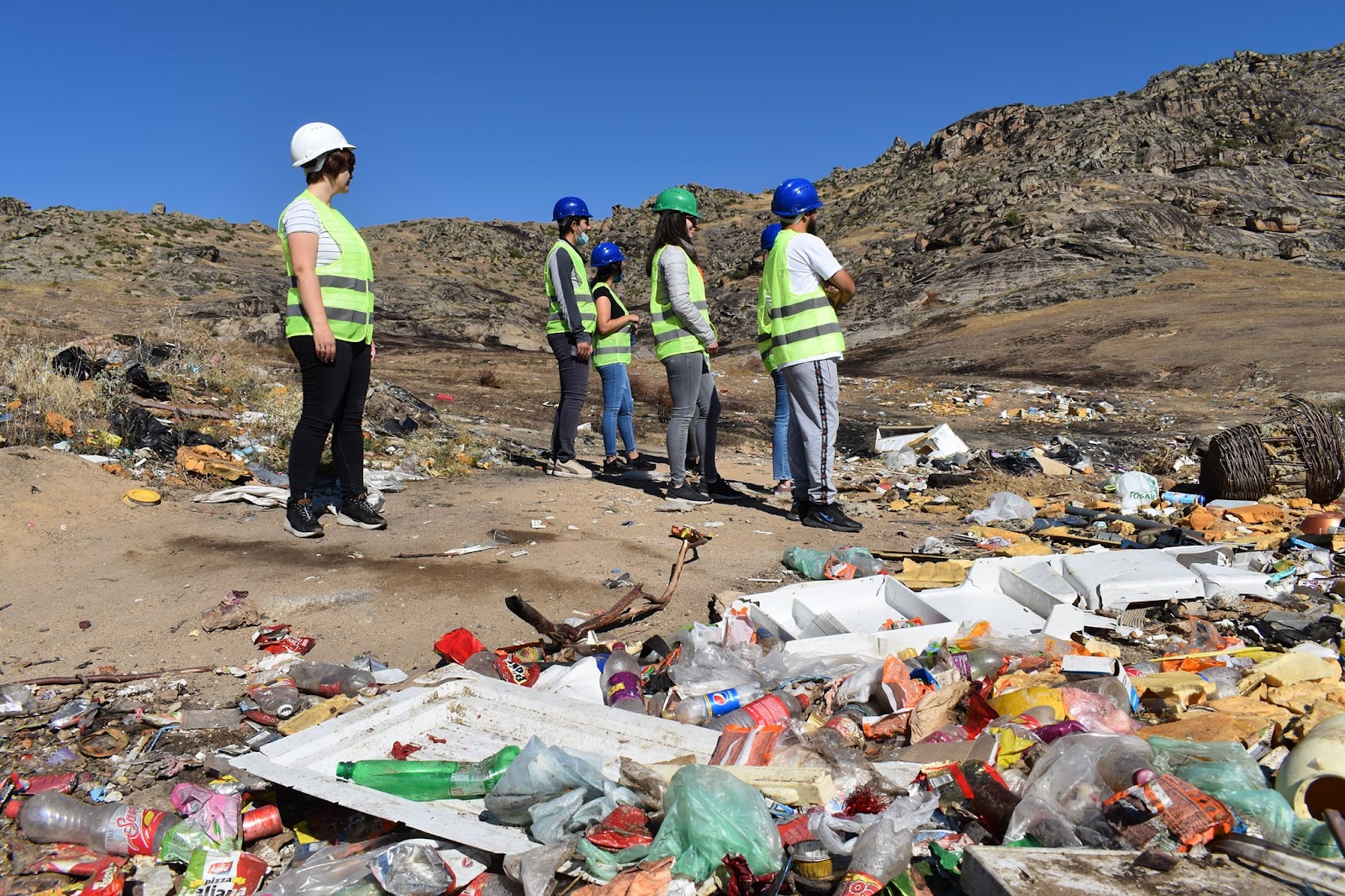
“No matter what our initial area of work is, we are a civil society organization. Therefore, when we work at the grassroots level, and especially with marginalized communities, we must address issues of environmental justice. These issues are directly connected to the realization of all other rights, including the right to health, social rights, and housing.
“Considering how difficult it is overall to work on this issue, and how low public awareness is regarding its urgency, we must act very decisively and place this issue high on our agendas,” concludes Vesna Shapkoski.
This material was produced within the framework of the Regional Partnership in Eastern Europe and Central Asia of the Network for Grassroots Justice Network.
|
Отримайте поглиблену консультацію через чатбот LawLink
|
P. S. In June 2024, the Legal Development Network (LDN) launched a crowdfunding campaign, Recovery of The South of Ukraine , as part of the crisis response program #StandWithUkraine.
You can Recovery of The South of Ukraine |
If you have notices an error on the web-site, please, highlight the text and press ctrl-enter.
Print and place the Network's poster on a notice board in your entrance hall
Become a volunteer and assist others in finding problem solutions
Ask question and one of the LDN's lawyers
will answer it.
Chat's schedule: from 10 to 16
every day
Ask questions via LawLink Bot in any convenient way. LawLink Bot is a smart and digital legal assistant created by the Legal Development Network.

The Legal Development Network implements comprehensive projects aimed at strengthening human rights, developing capable communities, and building sustainable tools for access to legal aid. We work at the intersection of advocacy, legal education, and local coordination of humanitarian response.