Share on social media
Share
Tweet
Publication date: June 5, 2024
The civil society organization Kham (Sun) from Delchevo (North Macedonia) shares its experience in environmental justice within the framework of the Regional Partnership of grassroots human rights organizations in Eastern Europe and Central Asia, coordinated by the Legal Development Network.
The organization has been working with the Roma community since 1999. It has experience in protecting social rights, the right to healthcare, and access to employment, and over the past two years, it has also been active in the field of environmental justice.
One of the biggest challenges facing the Roma community is poverty, lack of education, and limited access to information about human rights and ways to protect them. To address this, KHAM has established a group of paralegals in each settlement. They are trained to defend basic rights as well as those related to environmental justice, such as access to infrastructure roads, clean water, and adequate sanitation.
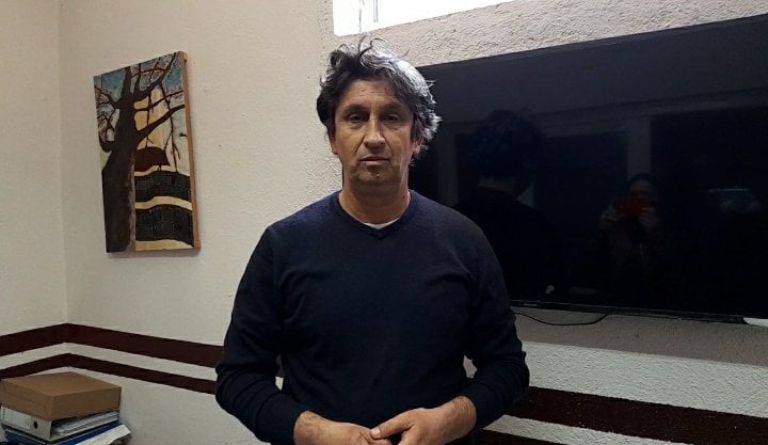
Zoran Bikovski, a representative of Kham, explains how he began working 10 years ago in one of the Roma community villages. At that time, the level of poverty and unemployment was over 80%. Over the past 10 years, thanks to community empowerment initiatives, including training on writing motivation letters and resumes, the situation has changed. Today, only 20% of the population in that village is unemployed.
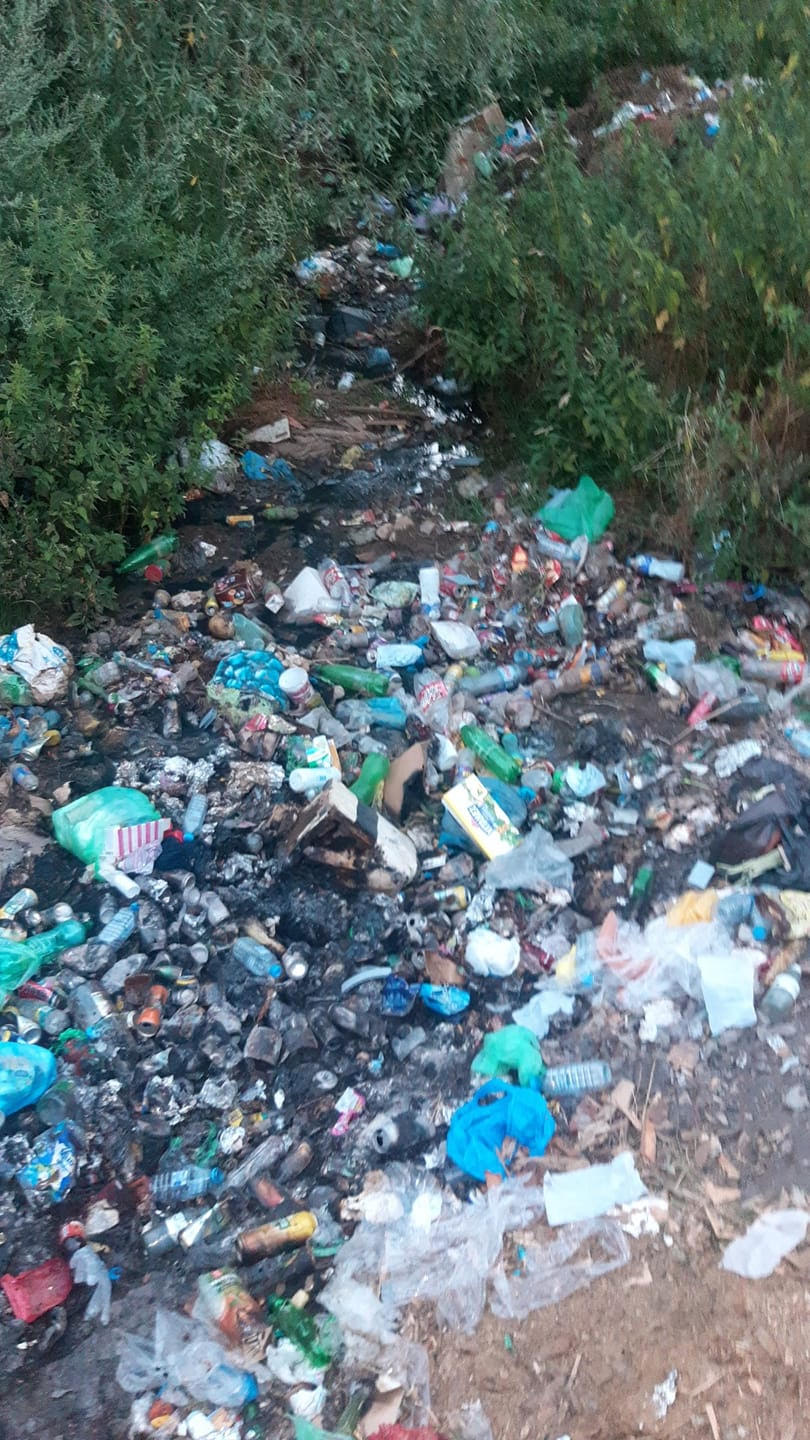 | 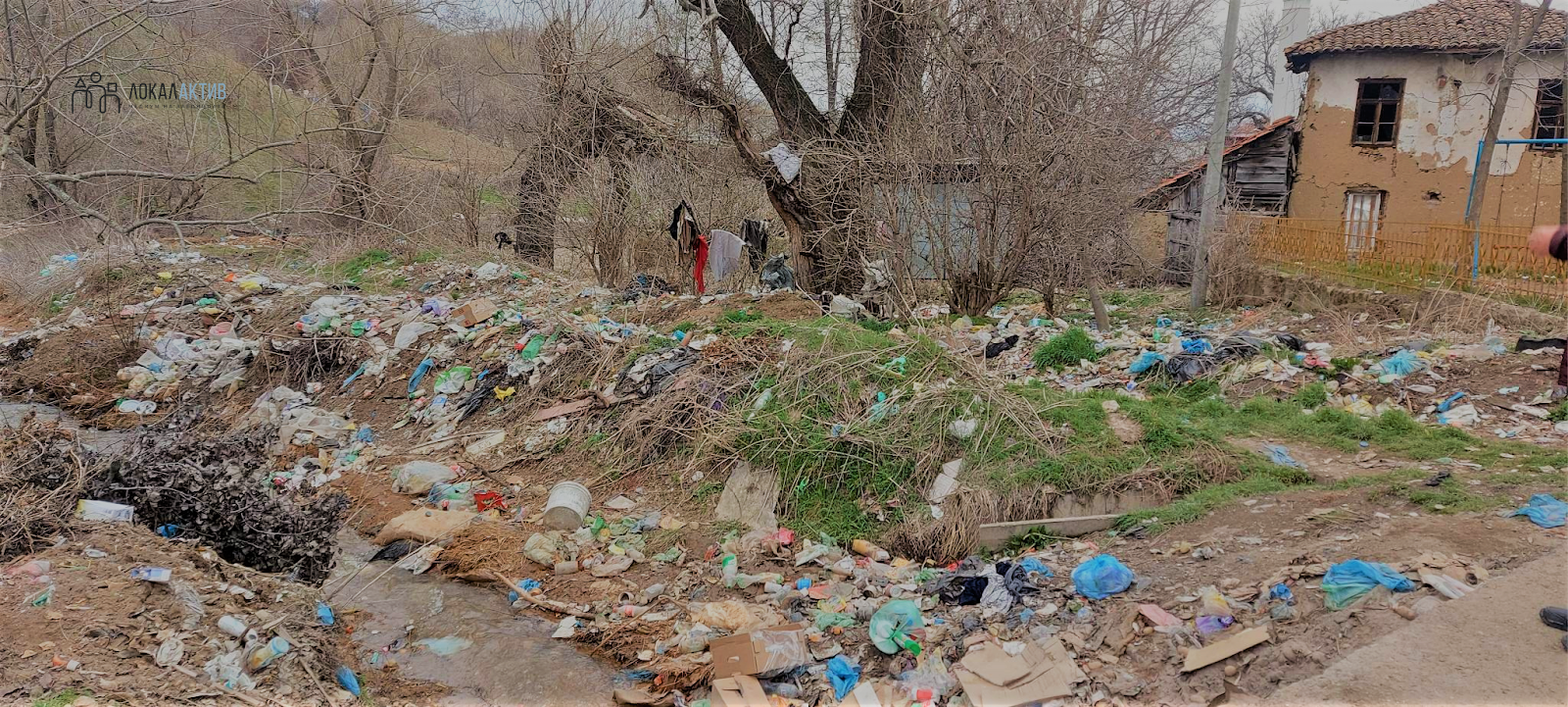 |
However, today there is a growing problem with waste in the area. Without centralized collection, residents dispose of it in the river. Another pressing issue is water purification. Due to contamination, several cases of hepatitis have occurred.
“On one hand, we have the trust of the community; on the other, we involve paralegals from the community and understand the problem. We decided to conduct a survey — going door to door to talk with people about what they think of environmental justice and whether they are satisfied with the situation. Secondly, we organize focus groups with different target audiences — mothers, youth, and older adults. Everyone says that waste is their problem, but they also expect someone else to solve it,” says Zoran Bikovski.
Upon further investigation, experts found that homeowners do not have official agreements with waste management companies. For a village with a population of 500, having only two containers, which are not even emptied regularly, is insufficient. The organization began verifying the problem by holding meetings with community residents. Following this, advocacy priorities were established: waste as the first priority, water as the second, and it is also important to ensure there are enough containers and a proper road.
First, they informed the local authorities that they wanted to hold a community meeting. The paralegals made a statement that organizing waste collection is the responsibility of the local authorities according to the law. The meeting was attended by community decision-makers, the mayor, a public sanitation inspector, and those responsible for public relations. This created an opportunity to hear not only the community’s perspective — residents and paralegals — but also that of the local authorities.
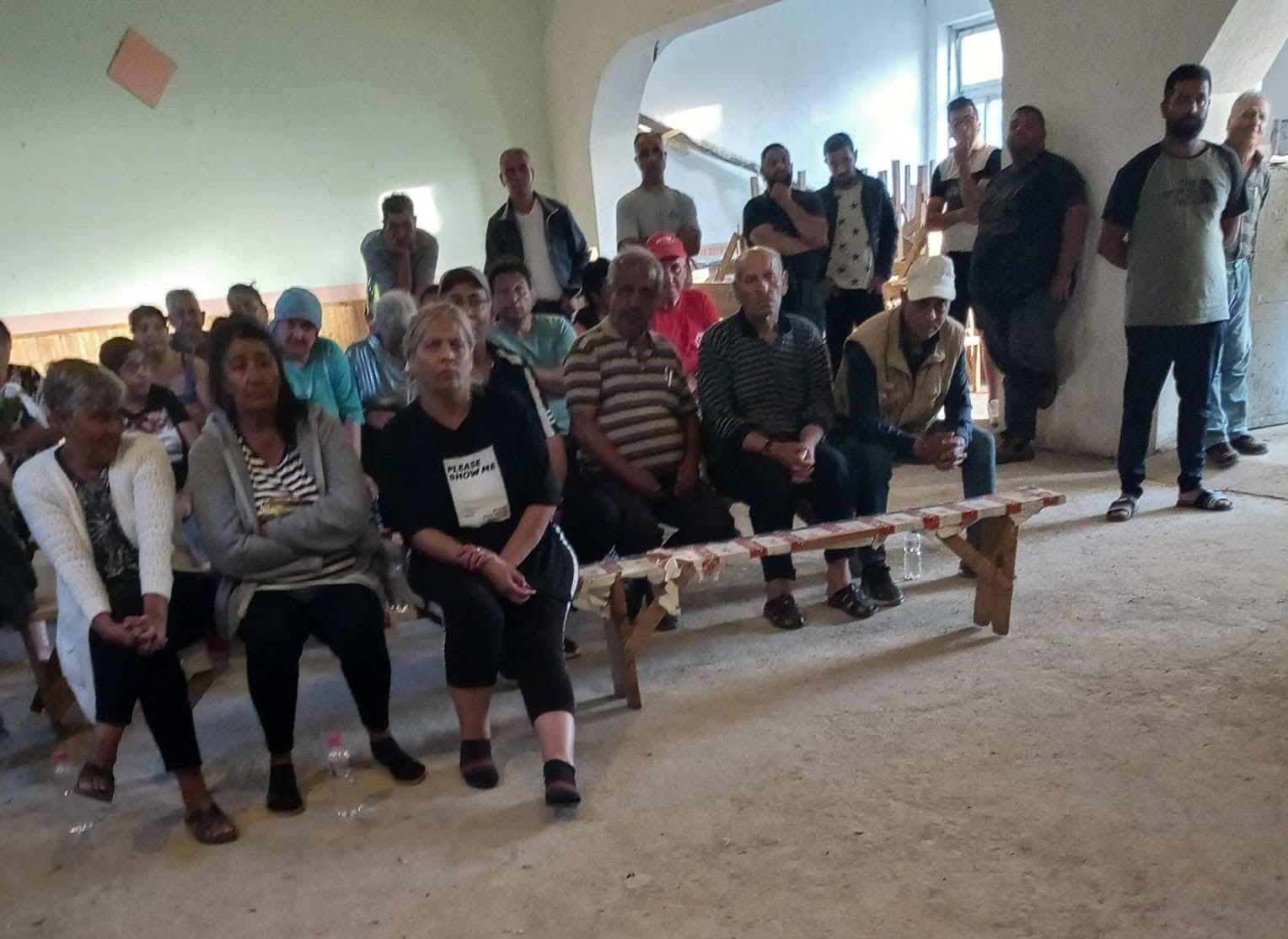
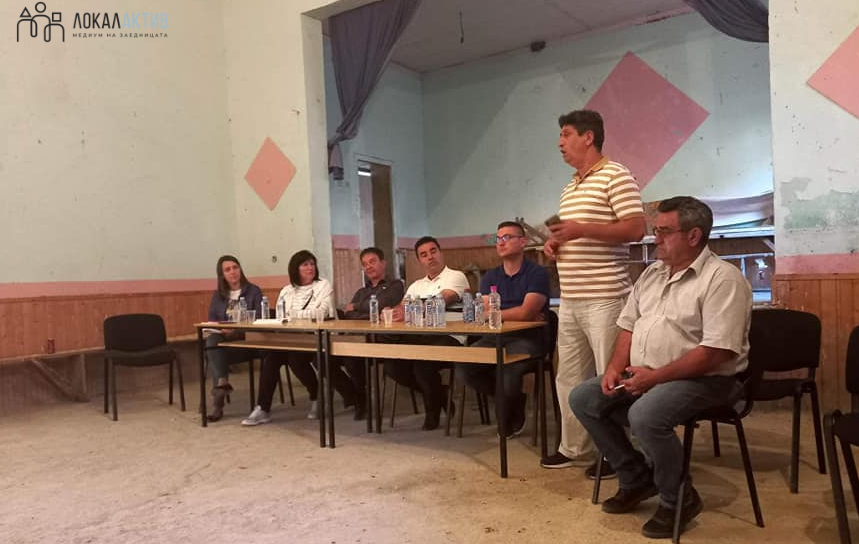
“They explained that people are unwilling to pay for the containers. Some of them even have debts. Meanwhile, the local authorities want everyone to sign a contract committing to pay monthly, or else they will take the matter to court. This led to a discussion between the two sides. We decided to take several steps. First of all, we launched a small campaign through social media, put up posters, and so on,” says Zoran Bikovski.
It was important after each meeting to clearly define the rules and responsibilities — who would be accountable for what on the part of the local authorities and the village. A paralegal was present at every meeting to stay informed, provide information, and ensure the transparency of the process.
The next step was to extend influence to older residents through the youth. KHAM activists organized training sessions on youth participation and its impact on decision-making, including how it relates to the budget (0.1% of the municipal budget is spent on youth projects), environmental issues, and other youth needs. They then organized joint meetings between young people and municipal representatives to expand the campaign and encourage youth engagement. In this way, the youth became strong allies during advocacy efforts.
Another step was the renovation of a kindergarten that lacked proper conditions for children to rest. KHAM financed 20% of the work, while the municipality covered 80%. This made it possible to support women who were able to return to work.
During the campaign, they also used a so-called conflict approach. They took many photographs of the waste, the river, and the local lifestyle, and invited artists to paint on-site. This was creative activism and served as a reminder that the municipality has legal obligations and can be held accountable if complaints are filed with the Ministry of Environment, among others.
By provoking small conflicts—but without escalating them and leaving space for discussion—the organization encouraged the municipality and the community to take action and engage more actively in the negotiation process.
To avoid potential risks, they conducted a thorough analysis and ensured the process was as open and transparent as possible. In addition, they made it accessible to everyone who wanted information, as well as to those who wished to participate directly in the meetings.
“Currently, the village has six containers, which are still insufficient. Once 80% of the contracts are signed, we move on to the next step. We monitor what we have accomplished — what are our results? We continue gathering evidence of how important a healthy and clean environment is, and how crucial it will be for the quality of life of the community’s children, and so on. Throughout this time, after each monitoring or on a monthly basis, we develop a new plan to address the problem and ensure the systemic sustainability of the process,” says Zoran Bikovski.
It took the organization a year to address the waste situation — through legal awareness activities, pressure on local authorities, and negotiation processes. They managed to achieve an 80% success rate, and the situation continues to improve month by month.
After resolving the waste issue, addressing access to clean water will require a similar shift in mindset, as neither the community residents nor the local authorities are currently willing to pay for water or take responsibility for its quality.
“Water is supplied from a reservoir built using contributions from the local population. After signing a contract with the water provider, a system to monitor usage will be installed, and people will have to pay around 15 euros per month. In addition, they will need to pay 100 euros for the management system.
This will solve the issue for those living in the mountainous areas, where water does not reach, since it is mostly used in the lowlands for agricultural purposes,” says Zoran Bikovski.
Drawing on his experience, Zoran Bikovski shares several pieces of advice that activists should keep in mind when addressing issues in the field of environmental justice.
This material was produced within the framework of the Regional Partnership in Eastern Europe and Central Asia of the Network for Grassroots Justice.
|
Отримайте поглиблену консультацію через чатбот LawLink
|
P. S. In June 2024, the Legal Development Network (LDN) launched a crowdfunding campaign, Recovery of The South of Ukraine , as part of the crisis response program #StandWithUkraine.
You can Recovery of The South of Ukraine |
If you have notices an error on the web-site, please, highlight the text and press ctrl-enter.
Print and place the Network's poster on a notice board in your entrance hall
Become a volunteer and assist others in finding problem solutions
Ask question and one of the LDN's lawyers
will answer it.
Chat's schedule: from 10 to 16
every day
Ask questions via LawLink Bot in any convenient way. LawLink Bot is a smart and digital legal assistant created by the Legal Development Network.

The Legal Development Network implements comprehensive projects aimed at strengthening human rights, developing capable communities, and building sustainable tools for access to legal aid. We work at the intersection of advocacy, legal education, and local coordination of humanitarian response.