Share on social media
Share
Tweet
Publication date: April 21, 2026
Author: Yuliia Bilyk, communication manager of the Legal Development Network
The Center for Economic and Legal Development (hereinafter referred to as CELD) is a member organization of the Legal Development Network in the Lviv Oblast that provides legal, social, and psychological assistance to anyone in need. In recent years, the CELD has focused its efforts on supporting internally displaced persons, who can always count on systematic support from the organization’s team. Read this article to learn how the CELD has structured its work, the role of tools such as questionnaires, and examples of the positive impact on people’s lives.
With its expertise and years of experience assisting residents of the Kamianka-Buzka and Radekhiv communities, CELD strengthens the work of IDP support centers operating under the Lviv and Sheptytsia District State Administrations. The centers’ specialists refer beneficiaries who need secondary legal aid to CELD.
People also contact the organization on their own, particularly when they need help drafting documents and defending their clients’ interests before state agencies, local government bodies, and courts. Over the past 7 months (August 2025 – February 2026), the NGO’s lawyers provided legal consultations to 436 people, 192 of whom have IDP status.
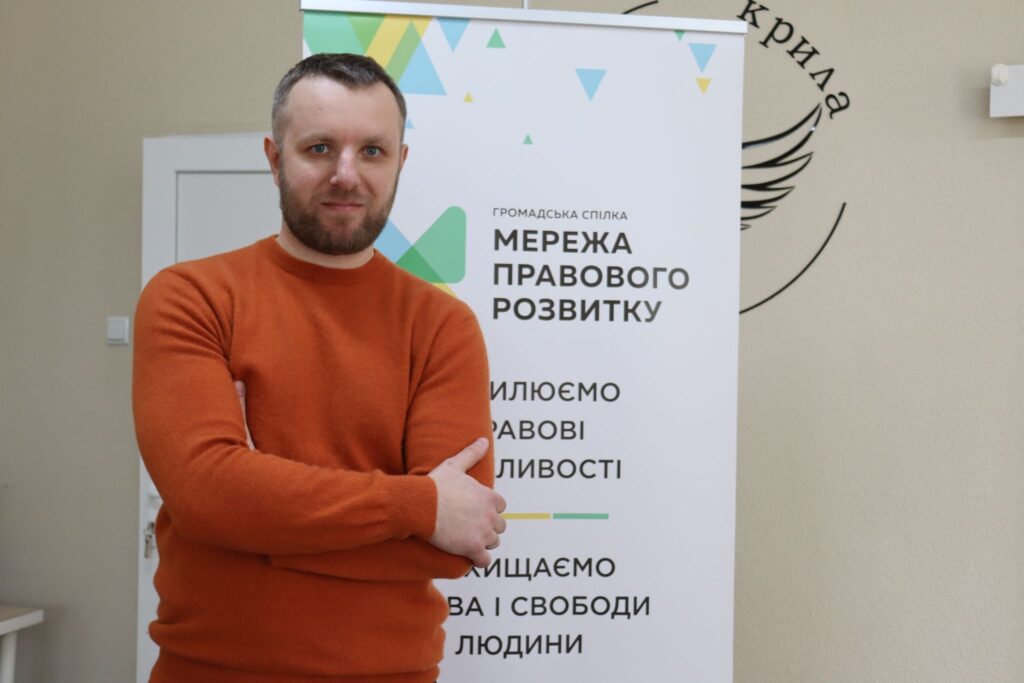
“We also periodically organize legal awareness sessions, group consultations, and training sessions at IDP support centers, employment centers, administrative offices, and in village councils. We coordinate the topics of these events in advance with the centers’ staff and their visitors. The most popular topics are social protection, pensions, and the rights and obligations of IDPs. Each event attracts at least 20 people,” Head of the NGO “Center for Economic and Legal Development” Andriy Korbetkyi says.
In addition to lawyers, the organization’s team includes social support specialists and a psychologist. Psychological support and stress relief sessions are held in groups for both adults and children.
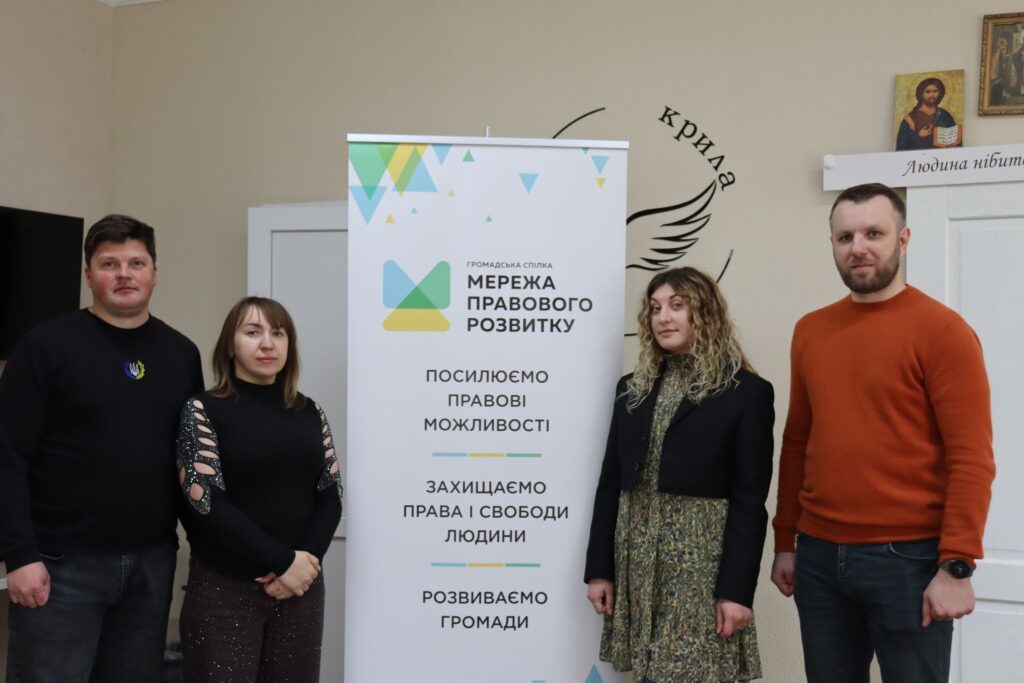
CELD also coordinates the work of the “Domivka” shelter in the Kamianka-Buzka community, which can accommodate up to 20 people at a time. The facility was established in 2023 with support from the Legal Development Network and the charitable organization “Ukrainian Educational Platform.” This shelter also provides consultations and social support.
To streamline operations, the CELD team developed an intake questionnaire. The on-duty lawyer or social worker asks every person who contacts the organization for the first time to fill it out—whether during community outreach visits or at the organization’s offices. The offices are open three times a week in the cities of Kamianka-Buzka and Radekhiv.
“When we realized that people usually have a whole range of issues that need to be addressed, we created the questionnaire. By answering simple questions, people identify not only their most pressing problem but also other potential needs: for psychological support, financial assistance, help with finding employment, or housing. This gives us a foundation, an understanding of what people need—not just now, but in the long term. If we can’t meet a certain need today, we come back to the questionnaire when the opportunity arises,” Andriy Korbetkyi explains.
The organization uses the information from the questionnaires to maintain an up-to-date contact database. So, for example, if a person indicated in the questionnaire that they need a specific type of humanitarian aid (medicines, diapers, clothing, etc.), the NGO can easily notify them when that aid becomes available.
CELD does not limit its work to the Kamianka-Buzka and Radekhiv communities, where the NGO’s offices are located. The team helps everyone who reaches out.
“Although about 80% of our work involves these two communities, we actually provide assistance to residents of the entire Lviv district. From time to time, residents from other communities reach out—some have called for advice, some have come to us to stay in a shelter, and some have received humanitarian aid,” Andriy Korbettskyi explains.
Compared to previous years, the requests from internally displaced persons (IDPs) have changed in 2026. While questions about social benefits previously dominated, finances and compensation have now come to the forefront.
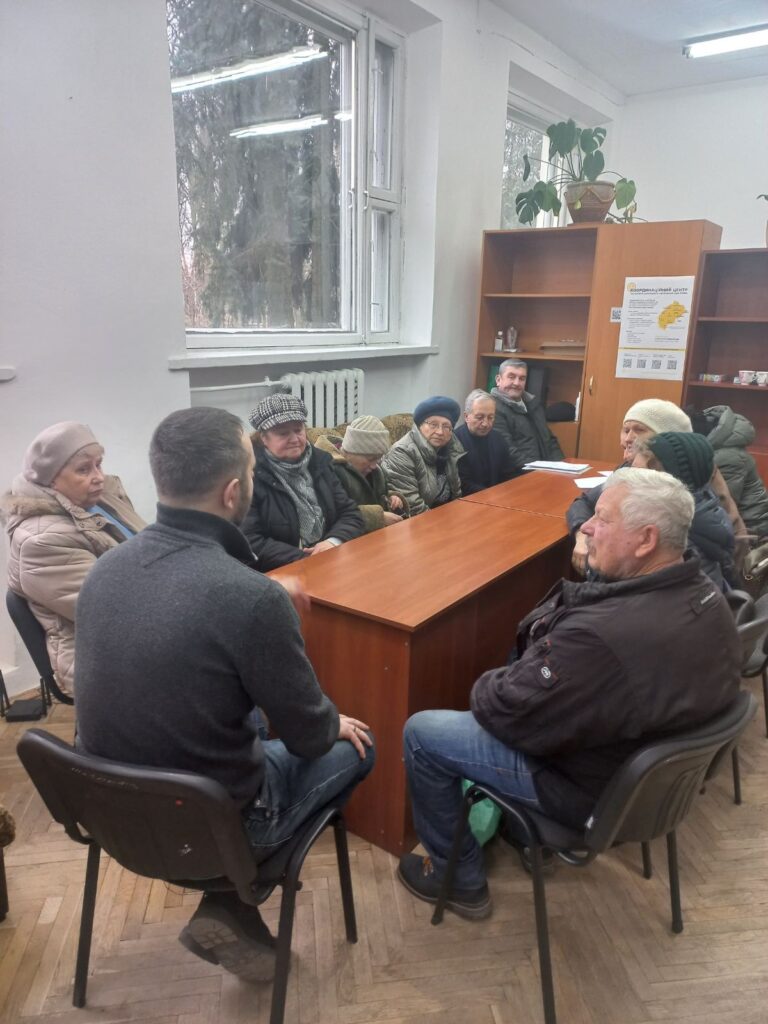
“People are looking for ways to earn money and are interested in high-paying jobs. Some have inquired about starting a business or retraining. We collaborate with the employment center to immediately inform IDPs of any new opportunities. Recently, there has been a surge in inquiries regarding compensation for destroyed or damaged property—filing claims and preparing lawsuits,” Andriy Korbetkyi notes.
Although many IDPs have been living in communities for several years, the issue of integration remains relevant. People still face difficulties with finding employment, enrolling their children in schools and hospitals, receiving subsidies, and calculating utility rates.
The work of CELD lawyers covers a wide range of issues — from correcting technical errors in documents to complex cases involving pension eligibility. Andriy Korbetkyi provides examples that illustrate how the social support system works in practice.
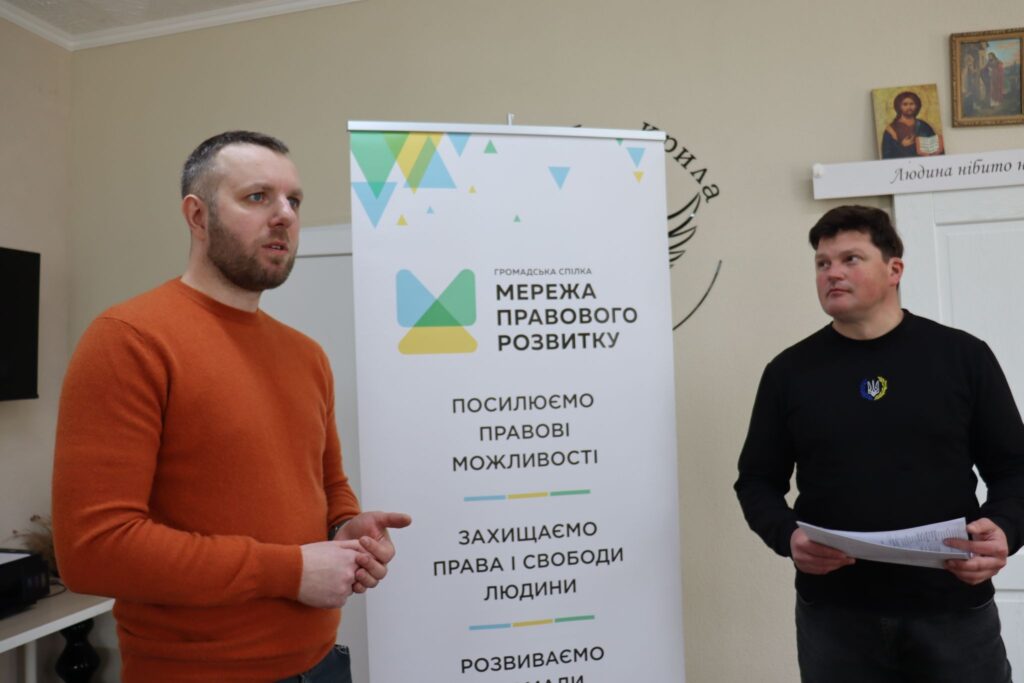
“Recently, a 35-year-old woman with two children who had come from the Mykolaiv region approached us. She was denied state assistance for internally displaced persons due to an error in her registration certificate from the Administrative Services Center—the year listed there was 2024 instead of 2023. We prepared a request to correct the technical error and gathered supporting documents—a certificate from her previous place of residence and evacuation tickets. The error was corrected within 12 days, and benefits were granted retroactive to the date of her arrival. “In addition, we helped her apply for a rental subsidy. Now this woman works as a cleaner at a local school, and the family’s budget has stabilized,” Andriy Korbetkyi says.
Cases involving the granting of pensions to people who have moved to the Lviv region from currently occupied territories are more complicated. After all, it is impossible to obtain documents confirming work experience. Such cases require patience, knowledge of procedures, and sometimes several attempts.
“A 51-year-old displaced man who worked as a miner in Donetsk Oblast was unable to receive his seniority pension. The Pension Fund kept requesting additional documentation. We drafted a detailed statement with supporting arguments, obtained archival extracts from the register of insured persons through a request, and held several meetings with representatives of the Pension Fund of Ukraine in the region. After the third submission, accompanied by a cover letter, the pension was granted without a court hearing, with back pay for eight months. He received a one-time payment of over 60,000 hryvnias and now receives his pension regularly,” Andriy Korbettskyi recalls.
Because IDPs often face prejudice or formal rejections due to a lack of knowledge about procedures, CELD lawyers assist them in defending their rights from start to finish.
“A young mother with an infant was denied enrollment for her child in a preschool. The local administration cited a ‘lack of available spots for IDPs.’ We explained to them the priority right to preschool education for displaced children, drafted an official statement, and arranged a meeting with the preschool director. Three weeks later, the child was enrolled, and the mother was able to return to work. We resolve most issues out of court — it’s faster and more effective for people,” Andriy Korbettskyi notes.
According to Andriy Korbetkyi, the organization has been facing difficult times since 2025. It is challenging to maintain the pace and scale of operations, and to meet people’s expectations — needs that only grow with each passing year of the war — amid a constant shortage of resources.
“Now, fewer and fewer grant programs from international partners include organizations from western regions. Funding has decreased significantly, but the people haven’t gone anywhere — displaced persons continue to need assistance,” CELD’s Head explains.
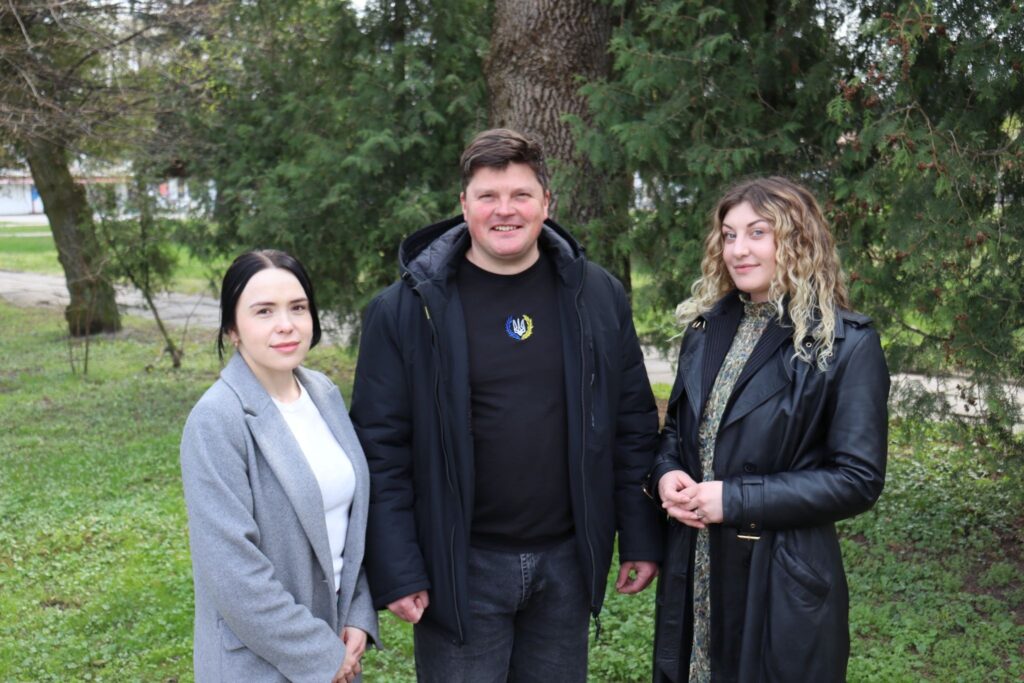
Support from the Legal Development Network and flexible funding from the international charitable platform GlobalGiving help the CELD maintain its operations during this critical period.
“This support means a lot to us. It covers the work of our lawyers and, in part, our psychologists. We can continue our institutional activities and meet the needs of internally displaced persons who have been taken in by the Lviv region,” Andriy Korbetkyi notes.
Despite all obstacles, CELD consistently adheres to a systematic approach, not only responding to current requests but also building long-term relationships with people. A questionnaire, a contact database, coordination with IDP support centers, and partnerships with employment centers and government agencies — all of this allows us to provide comprehensive assistance.
“We don’t just give advice and forget about the person. We document their needs, stay in touch, and reach out to them when an opportunity to help arises. It might be in a month, or three, but we never leave people alone with their problems,” Andriy Korbetkyi concludes.
This material was created by the Legal Development Network with support from the international charitable platform GlobalGiving. The content of this publication is the sole responsibility of the Legal Development Network.
Related materials:
P. S. In June 2024, the Legal Development Network (LDN) launched a crowdfunding campaign, Recovery of The South of Ukraine , as part of the crisis response program #StandWithUkraine.
You can Recovery of The South of Ukraine |
If you have notices an error on the web-site, please, highlight the text and press ctrl-enter.
Print and place the Network's poster on a notice board in your entrance hall
Become a volunteer and assist others in finding problem solutions
Ask question and one of the LDN's lawyers
will answer it.
Chat's schedule: from 10 to 16
every day
Ask questions via LawLink Bot in any convenient way. LawLink Bot is a smart and digital legal assistant created by the Legal Development Network.

The Legal Development Network implements comprehensive projects aimed at strengthening human rights, developing capable communities, and building sustainable tools for access to legal aid. We work at the intersection of advocacy, legal education, and local coordination of humanitarian response.

We make legal aid accessible. We empower communities and help them develop. Support us in this work.