Share on social media
Share
Tweet
Publication date: July 8, 2026
In the midst of a full-scale war, the role of the third sector in supporting society is more important than ever. By providing free legal, humanitarian, social, and psychological assistance to people, civil society organizations strengthen the state as it fights desperately for peace. At the same time, civil society also needs support — from the government, the business sector, and international partners — as it is currently facing a critical shortage of resources. To survive and continue its work, the formula is simple: acknowledge the problems, seek solutions, and join forces with those working in the same field.
The online discussion “Synergy of Impact: Government, Civil Society, and Partners Against the Challenges of War” featured candid discussions about these problems and possible solutions. The event was organized by the Legal Development Network with support from the international charitable platform GlobalGiving on June 18, 2026.
The discussion took place following the conclusion of a project to develop legal services to meet the needs of vulnerable population groups, which the Legal Development Network implemented over 12 months with the support of the international charitable platform GlobalGiving.
During this time, the project participants — member organizations of the Network — provided over
Each figure represents not just a line in a report, but a specific human situation: forced relocation, loss of housing, job search, applying for a pension, helping children adjust to a new school, and so on.
Olga Nastina, Executive Director of the Legal Development Network, emphasized that GlobalGiving’s support translates into real change for people because it is provided by local organizations trusted by the community. On the other hand, this support is generally possible only because the Network is trusted as a reliable and professional partner.
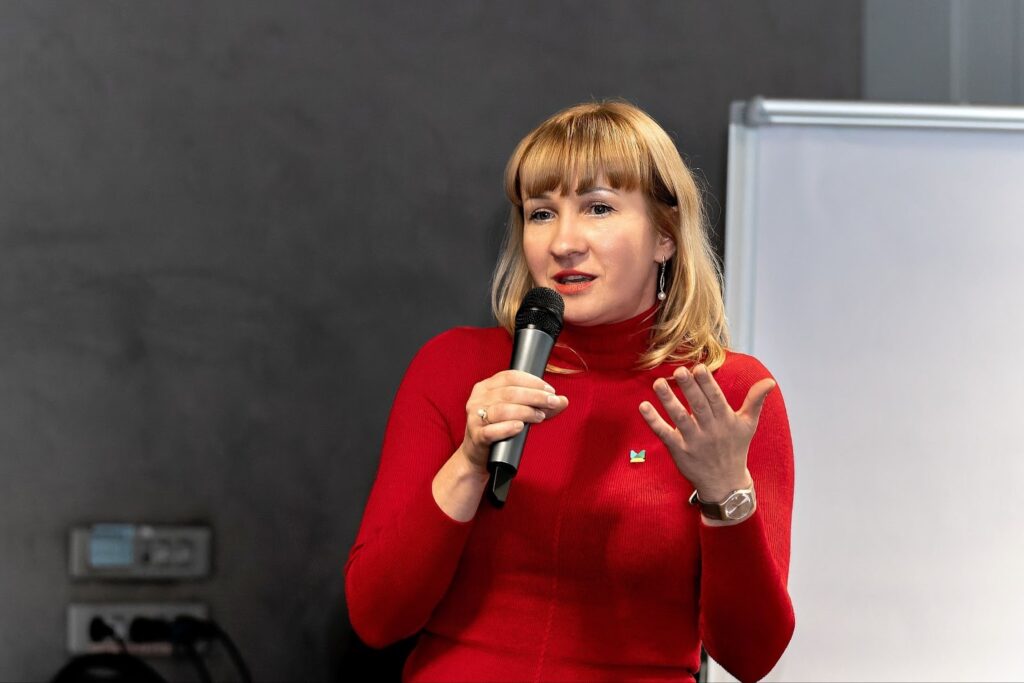
“When funding for local civil society organizations is cut, it is not the organizations that lose the most — it is those affected by the war. With GlobalGiving’s long-term support, we provide assistance to internally displaced people, help communities overcome the consequences of war, and enable organizations to survive, operate, and achieve results. Flexible funding is an investment in continuous support, in every individual’s life story, and it is a sign of trust in us as partners. Thanks to this trust, we are able to work and stand together during these difficult times of war,” emphasized Olga Nastina.
Oksana Plakhotnyuk, GlobalGiving’s representative in Ukraine, noted that the war-induced humanitarian crisis is the longest in the history of the charitable platform. Since people’s needs persist, it is important for organizations to integrate their social services into post-war recovery efforts in order to secure sustainable funding.
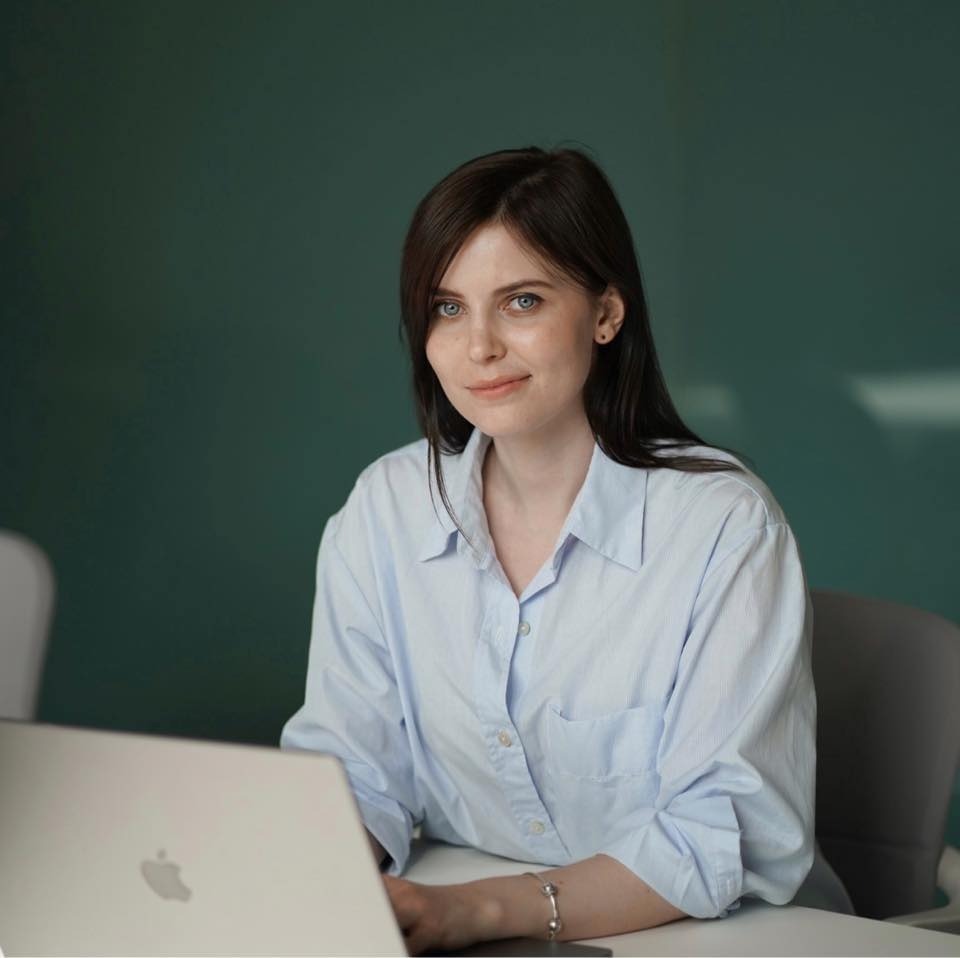
“Human capital is the foundation of Ukraine’s recovery. We need to transform our understanding of social services: they are not just emergency aid, but an integral part of the recovery strategy, which enables people to remain in their communities, adapt, and become drivers of economic reconstruction,” emphasized Oksana Plakhotnyuk.
According to her, GlobalGiving continues to provide sustained support to organizations that offer comprehensive services and are capable of addressing not just a single narrow need, but of creating an ecosystem centered on people’s needs.
The Legal Development Network invited Olga Kucher, Director of Services at Veteran Hub, to participate in the discussion. The organization is a major national player in providing support to male and female veterans. It was valuable to hear from the speaker about ways to secure funding for specialized initiatives and to address specific needs.
Olga Kucher pointed out a contradiction that causes most of the fundraising challenges not only for her organization but also for many others. Donors are accustomed to funding projects with clear start and end dates. However, providing real help to people requires sustainability.
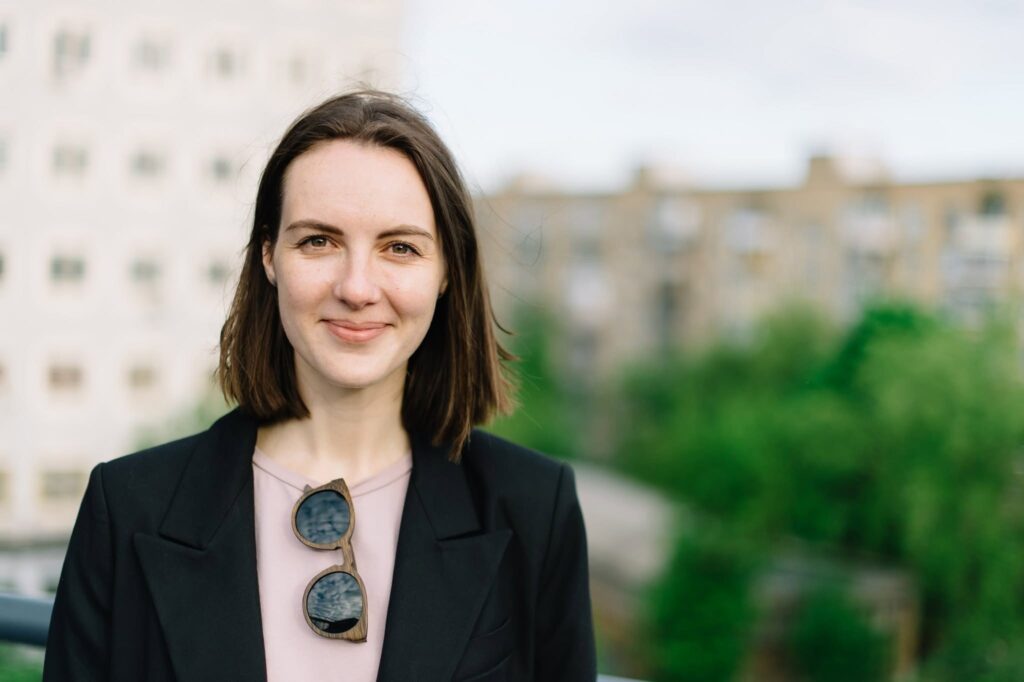
“We are already seeing a shift away from humanitarian response in some areas, with a focus on recovery and other emerging priorities, including in international funding. It’s important to understand that services are a continuous process, distinct from a project, which has a beginning, an end, and visibility — and is often more appealing, including for donor funding. Services are something regular and recurring — they happen constantly — and they are very difficult to advocate for, including among donors,” noted Olga Kucher.
Veteran Hub provides legal advice, psychological and career counseling, and develops support management programs. All of these services are ongoing and require long-term planning. For example, psychotherapeutic support for veterans requires at least 10–15 sessions.
Olga Kucher also spoke about the practice of diversifying funding. Due to a funding crisis from USAID, Veteran Hub was forced to suspend operations at the Vinnytsia Hub and the Support Line. Afterward, the organization publicly appealed for support and received a positive response from businesses. Additionally, the Vinnytsia City Council has provided co-funding for the Vinnytsia Hub from March 2025 to the present.
“This was a good example of synergy, where a charitable organization is supported by local government, which also contributes to co-funding services for people living in this community,” concluded Olga Kucher.
Oleksandra Shcherbyna, Head of the NGO “Legal Unity” from the Bila Tserkva community, described the transformation the organization underwent after 2022. Over the course of four years of full-scale war, more than 27,000 displaced persons arrived in the community.
Sometimes people would come with a single question but actually needed comprehensive support. That’s why the lawyers and volunteers at the “Legal Unity” NGO help people restore their documents, access social services, and navigate the support and protection system at both the national and local levels.

“A person who has experienced displacement, job loss, and loss of housing needs not just a single consultation, but comprehensive social support,” emphasized Oleksandra Shcherbina.
In response, the organization introduced a “one-stop shop” approach: in one place, a person receives legal, social, humanitarian, and psychological support. The result is a positive impact on people’s lives. For example, a mother with two school-age children from Kharkiv, whose husband serves in the Armed Forces of Ukraine, went from her first consultation on obtaining IDP status to finding employment within a few months.
“We provide people with a kind of roadmap through all the available opportunities in the community: from legal assistance to social services and partner programs. After all, long-term support is much more effective than one-time consultations. And the main conclusion our team has drawn is that the kind of flexible support from civil society organizations — such as we received from GlobalGiving — allows us not only to respond quickly to challenges but also to find systemic solutions to problems, engage the community in driving change, advocate for new approaches, and transform local initiatives into sustainable policies and support programs for people,” — emphasized Oleksandra Shcherbyna.
Yuliia Kilosova, coordinator of the “Murashnyk” Resource Center run by the NGO “Pravo” in the city of Khmilnyk, Vinnytsia Oblast, spoke about a place that was created on the initiative of the NGO and, thanks to donor support, has become a hub for unity, development, and leisure. “Murashnyk” occupies 500 square meters in the basement of a former nightclub.
After renovating the space on its own, the NGO “Pravo” now brings people together there for various training sessions, psychosocial support activities, cultural events, meetings of interest groups and clubs, legal consultations, and weekly community bike rides.
“Murashnik’s” fundamental stance is not to single out internally displaced persons as a separate category.
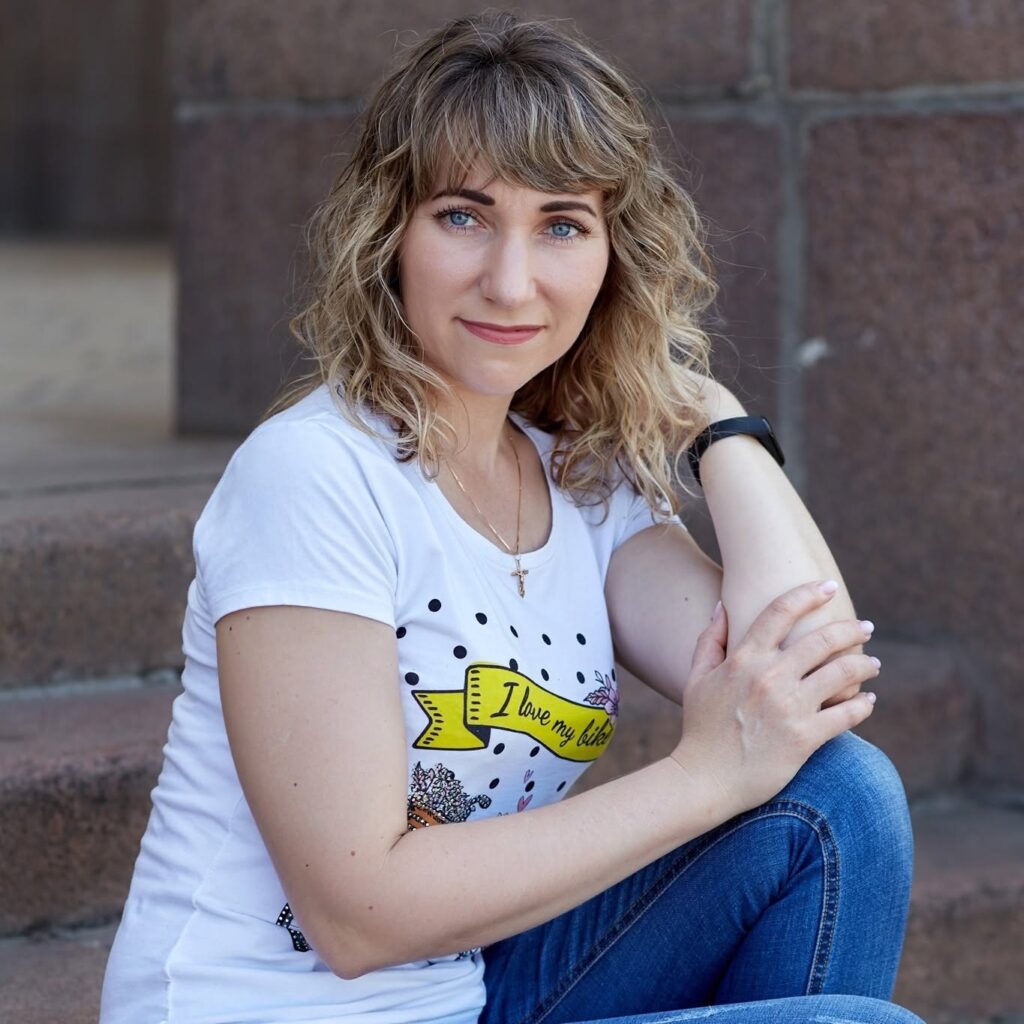
“I even get offended sometimes when people ask, ‘Is this place just for IDPs?’ Because, in reality, we don’t divide people at all. We try to offer support to everyone; every person who comes to ‘Murashnik’ will find support and opportunities for growth here. In my opinion, this is the only way to integrate internally displaced persons into the community,” noted Yuliia Kilosova.
According to her observations, it is precisely through informal contact—such as a shared activity or a walk — that trust is gradually built. This trust fosters a sense of belonging, and people become full-fledged members of the community.
Nataliia Kostyshyn, chair of the board of the NGO “Youth Initiative Center” (Mits) from the town of Sheptytskyi in Lviv Oblast, raised an issue that is painful for many local organizations: donors and programs are concentrated primarily in regional centers, while small and logistically challenging communities remain overlooked.
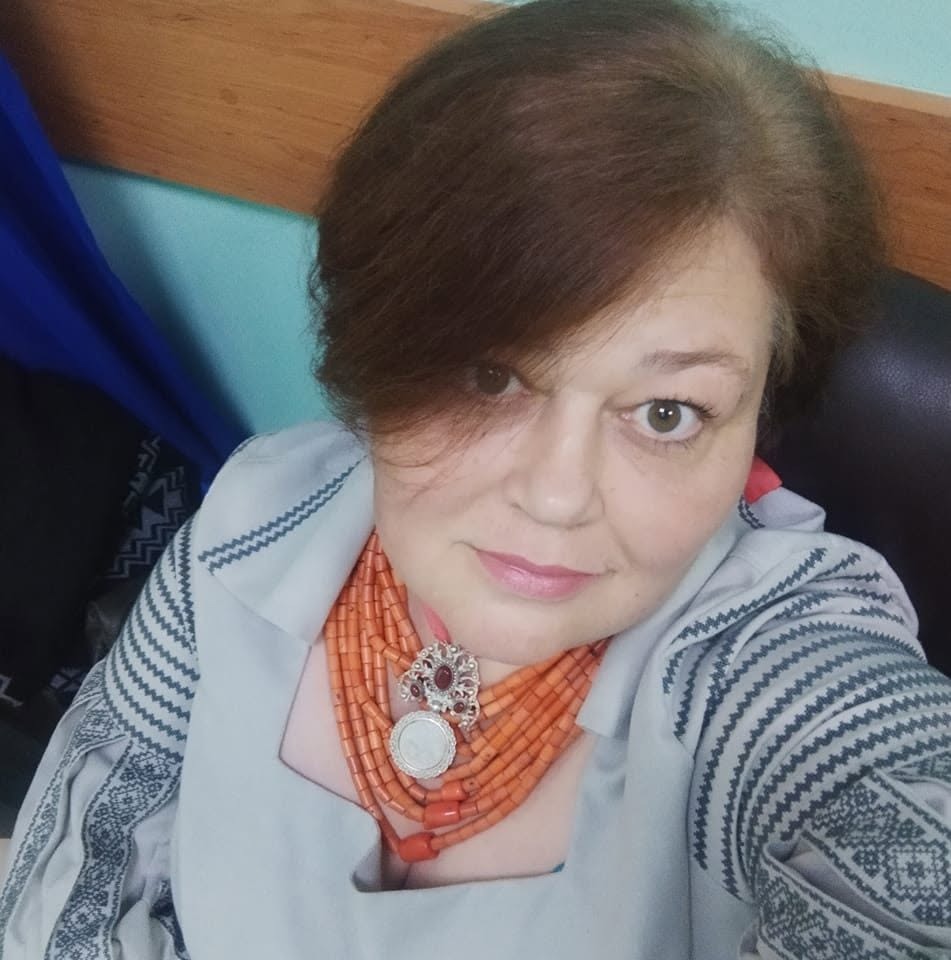
“This has become particularly clear recently, as we’ve seen resilience centers being established and veteran and youth spaces opening up. These are usually administrative centers for communities or districts. And, unfortunately, due to various circumstances, we pay very little attention to those settlements with which we have less contact — those that are logistically less accessible to the administrative center or to the civil society sector. “And in small communities, there are usually either no local civil society organizations of their own, or they are unable to address the needs that exist within the community,” Nataliia Kostyshyn outlined the problem.
The NGO “Mits” deliberately took a different path — toward small communities. The cost of services increased due to logistics, but the quality did not decline. A good example of how to speak openly about one’s achievements, needs, and setbacks in a way that others will hear you was the dialogue between residents and authorities, which evolved into a dialogue among three communities — made possible with the support of GlobalGiving. The result was the signing of an intermunicipal cooperation agreement. This makes it possible to pool resources and respond more quickly and effectively to the needs of community residents and the war-related challenges facing these communities.
“Dialogue makes it possible to identify internal resources and channel them toward solving problems. This is because the request comes directly from the community, rather than from a contrived problem included in some local program,” concluded Nataliia Kostyshyn.
The civil society sector in Ukraine is already doing what often lacks both standards and clear funding: building trust where there is none, providing comprehensive support where no one else reaches, and bringing together people whom the war has divided.
But there are also challenges that no single organization can solve on its own: fragmented funding, unequal access to services across different communities, and the difficulty of engaging people who have lost faith in everything. The answer to these challenges lies in synergy — something the speakers not only discuss but also demonstrate every day through their work.
The participants repeatedly emphasized that it is difficult to engage people without personal motivation directly through government agencies or donor programs. This is most effectively achieved through trust in a local or partner civil society organization that is already present in the community and familiar to residents.
The stories of Veteran Hub, “Legal Unity,” “Murashnik,” and the NGO “Youth Initiative Center” show that it is precisely flexible, non-rigidly defined projects that allow for a response to needs that change faster than a grant application can be revised.
Facilitated meetings between authorities and residents may yield results within a month, or they may take years — especially when dealing with sensitive topics related to loss and war. Short grant cycles of 6–9 months do not always align with the actual pace of such processes.
The example of co-funding for the Veteran Hub by the Vinnytsia City Council shows that combining international support, local government, and Ukrainian business creates a level of sustainability that no single source can provide on its own.
This material was created by the Legal Development Network with support from the international charitable platform GlobalGiving. The content of this publication is the sole responsibility of the Legal Development Network.
P. S. In June 2024, the Legal Development Network (LDN) launched a crowdfunding campaign, Recovery of The South of Ukraine , as part of the crisis response program #StandWithUkraine.
You can Recovery of The South of Ukraine |
If you have notices an error on the web-site, please, highlight the text and press ctrl-enter.
Print and place the Network's poster on a notice board in your entrance hall
Become a volunteer and assist others in finding problem solutions
Ask question and one of the LDN's lawyers
will answer it.
Chat's schedule: from 10 to 16
every day
Ask questions via LawLink Bot in any convenient way. LawLink Bot is a smart and digital legal assistant created by the Legal Development Network.

The Legal Development Network implements comprehensive projects aimed at strengthening human rights, developing capable communities, and building sustainable tools for access to legal aid. We work at the intersection of advocacy, legal education, and local coordination of humanitarian response.

We make legal aid accessible. We empower communities and help them develop. Support us in this work.