Share on social media
Share
Tweet
Publication date: October 1, 2026
Halyna Kolesnyk, Director of Strategic Communications, Legal Development Network
Together with Mission East, the Legal Development Network is launching a two-year programme of free legal aid for veterans and their families in remote communities of Mykolaiv Oblast.
Ukraine already has more than 2 million veterans, and their number grows every day. Coming home from war does not end at the front door. What follows is a different journey: confirming one’s status, applying for payments, returning to work, restoring documents, or accessing rehabilitation. For someone who has just come back from the front, every refusal at an office counter or every confusing certificate can become yet another barrier on the way back to normal life.
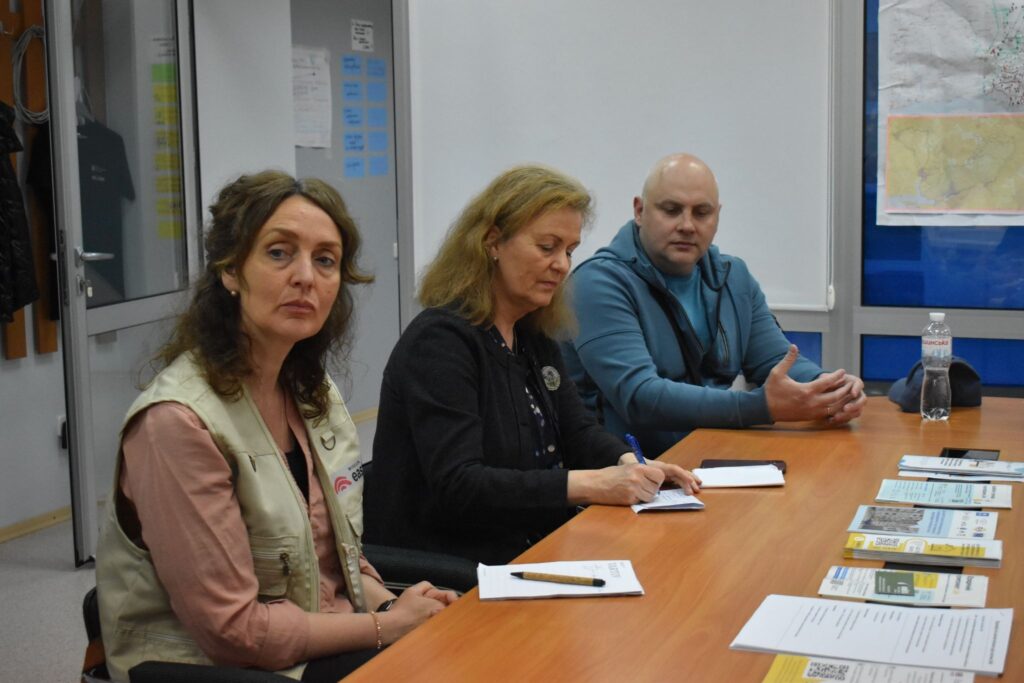
This is why the Legal Development Network is joining a new partnership with Mission East. The project, implemented by Mission East together with Disabled People’s Organisations Denmark (DPOD), is funded by the Danish Peace and Stabilisation Fund. It covers veterans’ health and well-being, employment, reintegration into their communities, and the strengthening of veterans’ organisations.
Mission East has extensive experience working with veterans in Mykolaiv Oblast. Since 2023, the organisation has been running programmes that support their reintegration, including employment opportunities, physical rehabilitation, psychosocial support, and social adaptation. A key part of this work is its direct presence in communities and its cooperation with local specialists and authorities.
For the Legal Development Network, the partnership with Mission East is an opportunity to combine legal expertise with hands-on field experience in order to provide veterans and their families with more comprehensive support.
What the project involves
The project will run for 24 months. Its goal is to ensure that veterans and their family members in remote communities of Mykolaiv Oblast have equal access to quality free legal aid and comprehensive support.
Over the course of two years, Legal Development Network lawyers will make regular visits to remote communities and veteran spaces. They will provide consultations, help draft applications, complaints and appeals, restore lost documents, confirm the status of a veteran or a family member of a fallen defender, and, where needed, ensure access to free secondary legal aid.
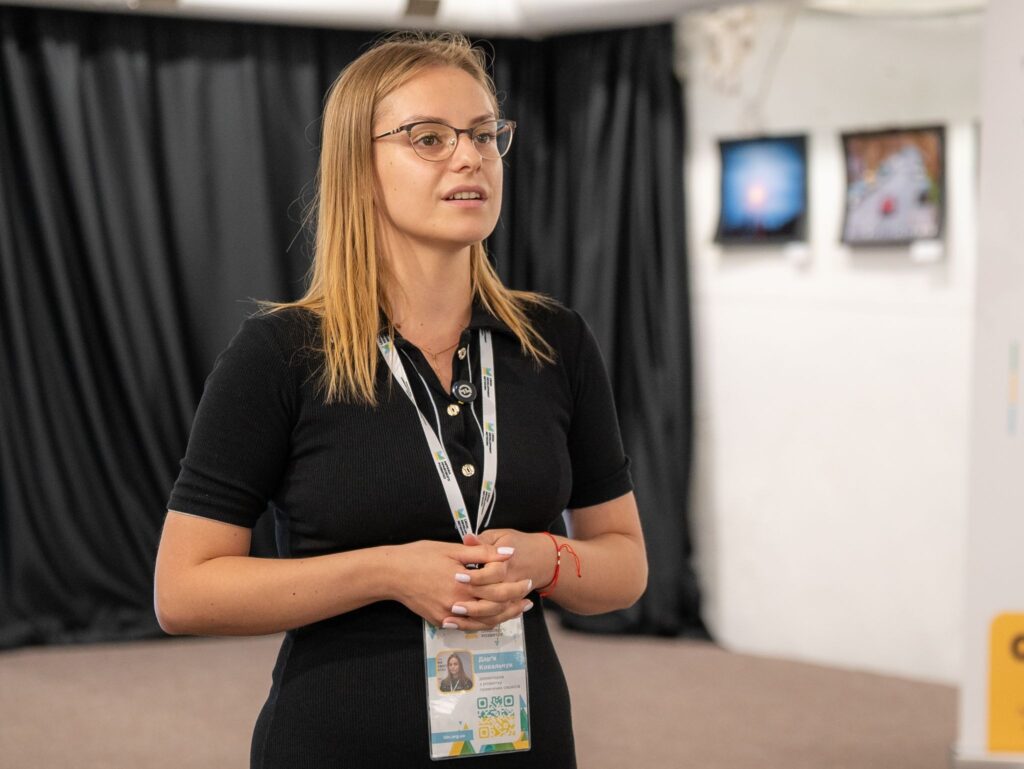
A veteran comes back from the war, but their path to a normal life is only just beginning: confirming their status, arranging payments, restoring documents. Our task is to make sure they are not left alone with bureaucracy along the way. Our lawyers will travel to places help has never reached before, to remote communities where people often simply have no one to turn to,” says Daria Kovalchuk, Project Manager and Director of Legal Services Development at the Legal Development Network.
The issues veterans can seek help with include, but are not limited to:
For those who cannot seek legal help in person, the Network’s online services will be available:
At least once a quarter during field visits, the Network’s experts will hold legal awareness sessions, with topics chosen according to the needs of veterans living in each community. Printed materials with contact details for the Network’s services will be distributed in remote villages, veteran spaces, rehabilitation centres, and the institutions veterans turn to most often.
If someone needs more than legal help, the Network’s lawyers will refer them to specialised institutions and partners, including those within the project, for psychological, social, and medical services. The lawyer does not simply pass the person on: they coordinate the handover with the partner, follow the communication through, and collect feedback. All requests will be recorded in the Network’s secure CRM system, and a quarterly analysis of recurring problems will help adjust the work and identify where systemic change is needed.
Expected results
Over two years, at least 312 veterans and their family members will receive legal aid, more than 400 individual consultations will be provided, and at least 8 legal awareness sessions will be held. The Legal Development Network’s aim is for veterans to know their rights better and be able to exercise them, for unjustified refusals to become less frequent, and for social guarantees not to remain on paper only. And for the people who defended the country to feel that the community they have returned to is truly theirs.
Background: the Legal Development Network’s experience
This initiative continues the Network’s systematic work to protect veterans’ rights. In 2024–2025, the Legal Development Network ran an advocacy campaign in Mykolaiv Oblast focused on protecting the rights of veterans and their families. The Network’s experts gathered the experiences of veterans, their families, and the specialists who work with them, and systematised their needs. This process identified 31 specific systemic issues, ranging from access to services to housing and support. The Network then joined forces with military psychologists, the Ombudsperson, the regional military administration, and international missions, and later raised these issues at the national level through four targeted meetings with the Ministry of Veterans Affairs of Ukraine.
The experts identified three key barriers. The first was an employment paradox: small communities could not hire veteran accompaniment specialists because of excessive requirements for formal education and work experience. Veterans with real combat experience did not meet the formal criteria, and services remained unavailable simply because there was no one to provide them. The second was financial disincentive: local managers arbitrarily cut the state-guaranteed salary supplements for accompaniment specialists, so instead of the up to UAH 20,000 provided for in the budget, people received around UAH 6,000. This led to resignations, and veterans were once again left without support at the most difficult moments. The third was the absence of safety protocols: specialists worked with people in crisis without clear rules for joint action with medical staff, putting the life and health of both at risk.
As a result of joint advocacy at several levels, the work experience requirement for entry-level accompaniment specialists has been abolished, and the list of eligible basic higher education degrees has been significantly expanded. The Ministry has placed the full payment of supplements under strict oversight. Dual-response protocols, under which a specialist works alongside a medical professional, are also being introduced.
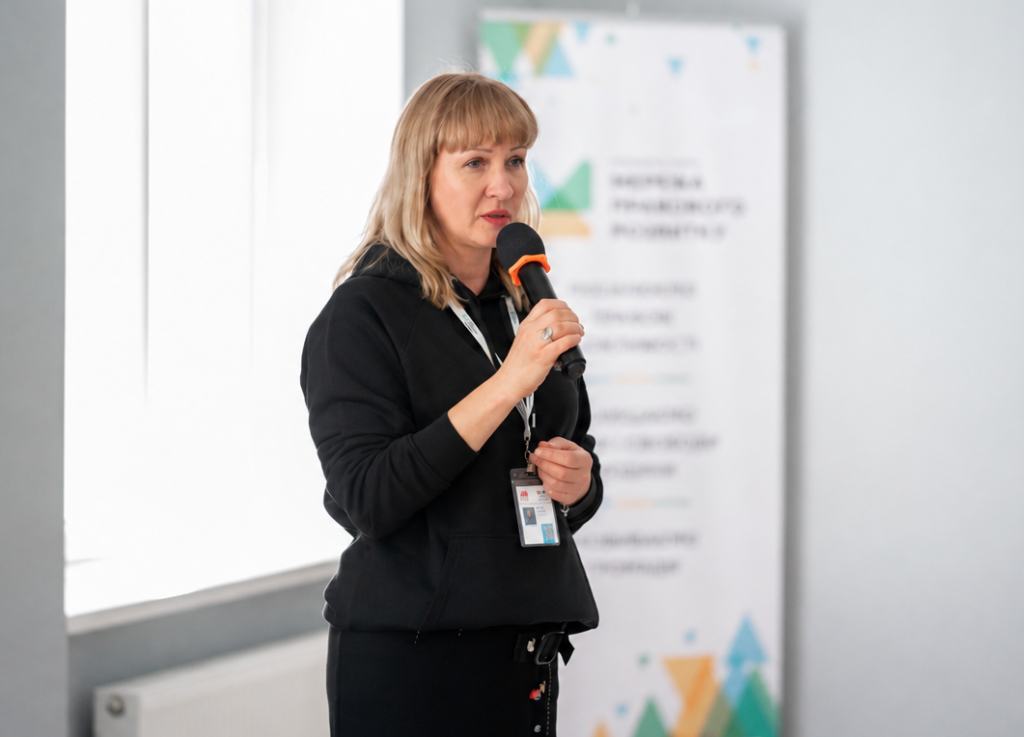
“Veterans are coming home, and it is the community that should become their support. Our partnership with Mission East allows us to combine their presence in communities with our legal expertise. This way, we can reach those whom help has not reached before,” says Olha Nastina, Executive Director of the Legal Development Network.
P. S. In June 2024, the Legal Development Network (LDN) launched a crowdfunding campaign, Recovery of The South of Ukraine , as part of the crisis response program #StandWithUkraine.
You can Recovery of The South of Ukraine |
If you have notices an error on the web-site, please, highlight the text and press ctrl-enter.
Print and place the Network's poster on a notice board in your entrance hall
Become a volunteer and assist others in finding problem solutions
0 800 331 113
from 10:00 to 17:00, toll-free within UkraineAsk a question, and one of the Network's experts will provide an answer.
Chat hours: daily from 10:00 to 16:00.
Ask questions via LawLink Bot in any convenient way. LawLink Bot is a smart and digital legal assistant created by the Legal Development Network.

The Legal Development Network implements comprehensive projects aimed at strengthening human rights, developing capable communities, and building sustainable tools for access to legal aid. We work at the intersection of advocacy, legal education, and local coordination of humanitarian response.

Support free legal aid in Ukraine. Your donation helps people affected by the war defend their rights in court and beyond.